How to create a social media content strategy in 2026 (easy step-by-step)

Learn how to create a social media content strategy in 2026 with this simple step-by-step guide. Get practical tips, tools, examples, and a clear framework to build a social media marketing plan that supports long-term growth.
Understanding the basics of a social media content strategy
Creating a content strategy in 2026 is all about clarity, focus, and building a community that genuinely cares about your brand.
With new tools, shifting trends, and evolving platform behaviour, guessing is no longer enough.
A strong strategy gives your team direction – and a way to measure what’s working.
What is a social media content strategy?
A social media content strategy is your game plan for showing up online with purpose.
It spells out your goals, who you want to reach, what you’ll share, and how you’ll know if it’s working.
Instead of just posting and hoping for the best, you make intentional choices backed by data and insights from your community.
The best strategies don’t just live on social – they tie directly to your bigger business goals, so every post has a purpose.
Core components of a social strategy
A complete strategy usually includes:
- Goals
- Ideal customer profile/persona
- Platforms
- Community insights
- Content mix
- Posting schedule
- KPIs
- Ongoing optimization
Social marketing vs. social media
Social marketing focuses on long-term brand building, while social media is the channel where your message lives. When these work together, you create meaningful visibility and connection.
Why social media still matters in 2026
Social media continues to be a key part of digital marketing because it supports every stage of the customer journey.
And behind every post are social media managers who aren’t just creating content; they’re keeping their finger on the pulse of the community, spotting trends, reading the room, and seeing how the world impacts their audience in real time.
These individuals help brands:
- Create brand awareness
- Build and nurture their community
- Generate leads
- Increase sales
- Share their personality and values
- Provide support and answer real-time questions
People spend hours every day on social platforms. Showing up with purpose makes your brand part of that world.
2026 trends to keep an eye on
The marketing landscape is undergoing its biggest shift since the rise of social media.
As AI floods every feed with faster, cheaper, endless content, the brands that win won't be the ones that publish the most – but the ones that show up the most human.
That’s not to say AI won’t be a key tool in 2026 and beyond (it absolutely will be). But it’s not a replacement.
The strongest content is still guided by human strategy, shaped by human insight, and rooted in real understanding of your community. In an age of noise, it’s connection that cuts through and community is what drives it.
Community-led marketing is all about putting your audience at the centre of everything you do. It’s about listening, engaging, and building meaningful relationships, not just chasing clicks.
When you focus on community, you create more than customers – you create advocates who amplify your brand, champion your story, and stick around for the long haul.
Other trends to keep in mind include:
- Social commerce growth
- AI-assisted content
- More personalized experiences
- Short-form video dominance
- More original content (we're going through social trend fatigue)
Remember, the brands that win in 2026 will be the ones that balance efficiency with empathy, and automation with authenticity.
Step 1: Set clear social media marketing goals
Setting strong goals is the foundation of your entire strategy. Without them, it’s hard to stay focused or understand what’s moving the needle. In 2026, the most effective social media managers are using data-backed goals tied directly to wider business outcomes.
For example, at HeyOrca, one of our main goals is building brand awareness. So, on the social side, that means focusing heavily on shareable content that helps get our name in front of more people.
To make your own, we recommend using the SPACES model by David Spinks to help you define your community’s business purpose. Don’t try to make your community fit every letter, or it will become unfocused.
- Support: for communities that are focused on improving customer satisfaction and saving costs on support.
- Product: for communities designed to gather community feedback on products and offerings.
- Acquisition: for communities meant to drive awareness, increase customer acquisition, and build brand advocates.
- Contribution: for communities that are focused on content collaborations, whether that be templates, code, resources, or more.
- Engagement: for communities designed to improve brand loyalty and retention.
- Success: for communities meant to drive production adoption and customer expansion.
Step 2: Understand your community

The best content connects. To make that happen, you need to understand who you’re speaking to and what they care about.
Think of it like a Venn diagram: on one side, your brand’s expertise; on the other, your community’s interests. The sweet spot in the middle is where your content pillars live, keeping your messaging consistent and focused on what matters most.
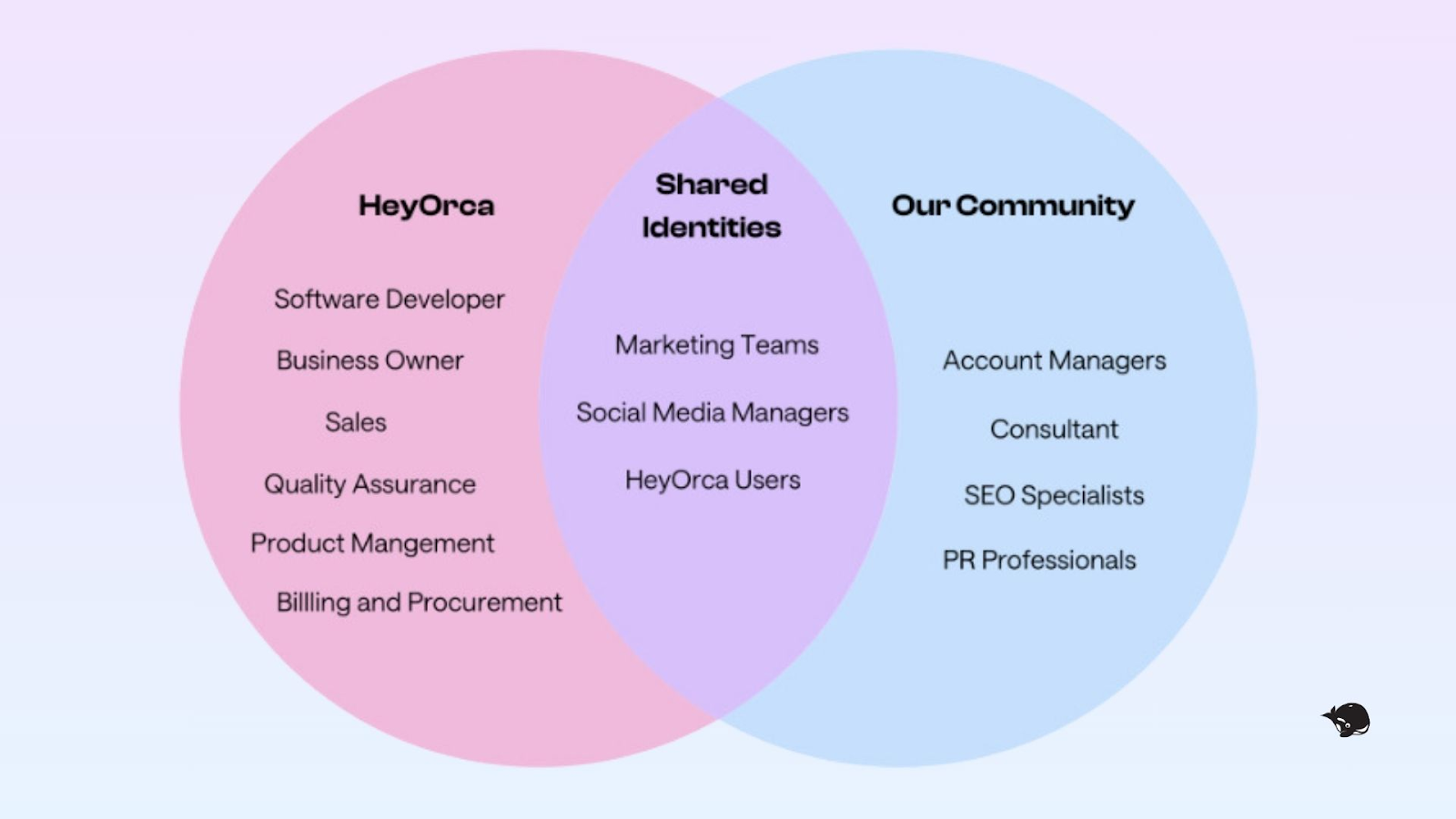
Community insights help you:
- Create relevant content
- Choose the right platforms
- Share posts at the right time
- Understand behaviours and motivations
Where to gather audience insights
You can use tools like:
- HeyOrca reporting
- Meta Audience Insights
- TikTok Creative Centre
- Google Analytics
- Industry reports and social listening
These tools help you uncover demographic details, interests, content preferences, and buying patterns.
Community behaviour in 2026
A few trends shaping behaviour this year:
- People prefer authentic, less-polished content
- Attention spans are short, making short-form video essential
- Cross-platform behaviour is growing – people bounce between apps quickly
- People are fatigued from trends and AI generated content in most industries; creative, original content will be favoured
Understanding these habits means you can create content that resonates instead of simply reaching people.
Step 3: Choose the right platforms
You don’t need to be everywhere. You need to be where your community spends their time. That’s the heart of a strong platform strategy – and believe us, it will save a lot of time and energy to go for quality over quantity
A quick look at major platforms
- Instagram: visual storytelling, Reels, brand-building
- TikTok: trends, culture, and rapid reach
- Facebook: communities, groups, and ads
- X (Twitter): conversation, commentary, and trending topics
- LinkedIn: B2B engagement and thought leadership
- Pinterest: lifestyle content, planning, and eCommerce
- YouTube: long-form video, education, and discovery
Being active on these platforms is just the first step.
Make sure your social presence connects to your bigger marketing goals. Whether that’s driving traffic to your website, encouraging sign-ups, or hosting IRL community events.
Social community doesn’t exist in isolation: your posts should make it clear how people can engage with your brand beyond social, bridging online conversations with real-world action.
Step 4: Conduct a competitor analysis
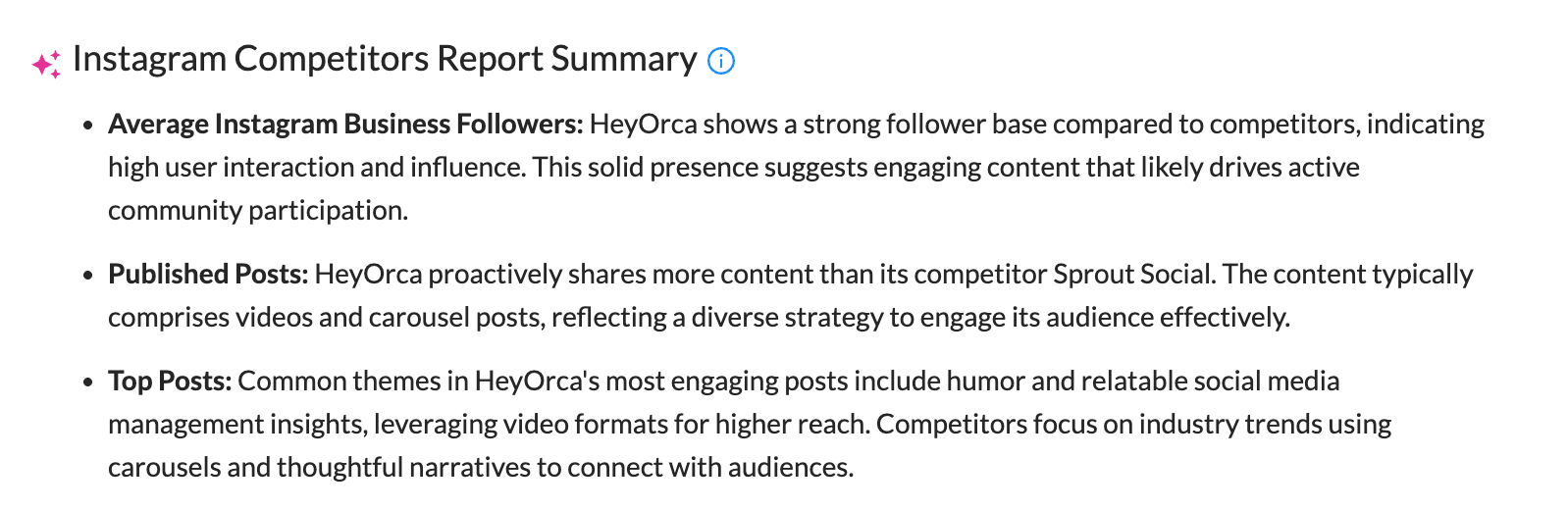
A quick landscape review helps you understand what’s happening in your space. Instead of trying to duplicate what others are doing, look at the bigger picture: what your community responds to, what’s resonating in your industry, and what opportunities are still untapped.
Example: KFC vs. Mary Brown’s at the Blue Jays Game
One standout moment in competitive social engagement was KFC’s response to Mary Brown’s sponsorship at the Blue Jays game. Mary Brown’s had a presence at the event, but KFC cleverly stole the spotlight by sending someone dressed as Colonel Sanders to sit front-row, right in the middle of the action.
This move worked for a few reasons: it was unexpected, playful, and highly shareable, instantly grabbing attention both in-person and online.
What to look for
- Themes and topics people engage with
- Posting styles that get consistent traction
- Gaps you can fill with your own expertise
- Questions your community asks regularly
- Content formats that spark conversation
- Industry collabs
How to find inspiration
Search:
- Relevant hashtags
- Community groups
- Industry keywords
- Creators or brands with a similar audience
This isn’t about copying. It’s about noticing patterns so you can build a distinctive presence that feels true to your brand.
Step 5: Create a high-impact social media marketing plan
Your plan is the engine of your strategy. It brings structure, consistency, and clarity to your content. A strong plan outlines what you’ll share, why it matters, and how it supports your broader goals.
Content mix that feels balanced
A well-rounded content mix helps you stay fresh while serving your community’s needs. Try a blend of:
- Educational posts
- Inspirational stories
- Entertainment content
- Promotional posts
- Community spotlights or user-generated content
Marketing ideas to keep content engaging
Consider adding:
- Step-by-step carousel tutorials
- Behind-the-scenes moments
- Customer or community stories
- Polls, quizzes, or questions
- Weekly themed posts
The goal here is to build trust and familiarity – the foundation of any thriving community.
Remember, experimentation is key!
Here are a few examples of what experimenting can look like in action:
Top performing reel
Why it worked:
Everyone who’s ever managed social media can relate. This reel nails that “on vacation but still working” vibe; showing a social media manager lounging somewhere nice but glued to their phone, posting content for clients.
It’s funny because it’s real, and it hits that sweet spot between “lol” and “ugh, that’s me.” That relatability makes people stop, watch, and comment because they see themselves in it.
Low-performing reel
Why didn’t it perform:
Sometimes you just can’t predict what will click. This reel is a good example: it’s interesting and informative, showing how brands’ use of social media has evolved: from simple company updates in the 2010s, to carefully curated aesthetic feeds, to today’s focus on building community.
Even though the content is solid, it might not have grabbed attention quickly enough or felt instantly relatable, which can make it harder for people to stop scrolling and engage.
Keep experimenting
We saw from the engagement that the life/struggles of a social media manager really resonated, so we made a second version, and it confirmed our theory.
At the end of the day, the key is figuring out what clicks with your audience (and what doesn’t) so you can keep creating content that really connects with your community.
Step 6: Develop content that connects (and keeps attention)
Content is where your strategy comes to life. It’s how you start conversations, spark curiosity, and build a community that wants to keep coming back. In 2026, the content that performs best is clear, human, and genuinely helpful.
How to create high-impact content
Use techniques that draw people in and encourage them to take action:
- Start with a strong hook
- Lead with value (teach, entertain, or inspire)
- Sprinkle in storytelling
- Mix short-form video with static posts
- Use simple, specific calls-to-action
If you’re looking for inspiration, check out our list of 82 engaging social media question ideas. It’s full of prompts you can use to spark conversations across any platform.
Strengthen your brand voice
Your voice shapes how your community experiences your brand.
Keep it:
- Friendly
- Clear
- Consistent
- Community-first
Stories are especially powerful. They help people picture themselves in your world, and that emotional connection often leads to deeper engagement.
Try platform-specific content ideas
If Instagram is part of your strategy, give your Stories some love. They’re one of the easiest ways to stay top-of-mind.
Need fresh inspiration? Take a look at our list of Instagram Story ideas to find quick, simple formats you can plug into your content calendar.
Strong social media content doesn’t have to be complicated. When it feels authentic and aligned with your community’s needs, it naturally performs better and helps your strategy drive real results.
Step 7: Build your posting schedule and workflow
A consistent schedule makes your strategy sustainable, not stressful. It also helps your team stay organized and aligned.
What to include in your posting plan
- Weekly posting times
- Theme days or recurring content
- Platform-specific versions of each post
- Every step of your approval workflow
- Your preferred cadence (daily, 3x per week, etc.)
Tools that help keep you organized
Use tools that make it easy to map content, collaborate, and plan ahead. (No need to list competitors – just highlight that the right tool should help you plan content, track approvals, and stay consistent.)
A reliable workflow removes guesswork and keeps the entire team rowing in the same direction.
Step 8: Monitor your socials and engage with your community
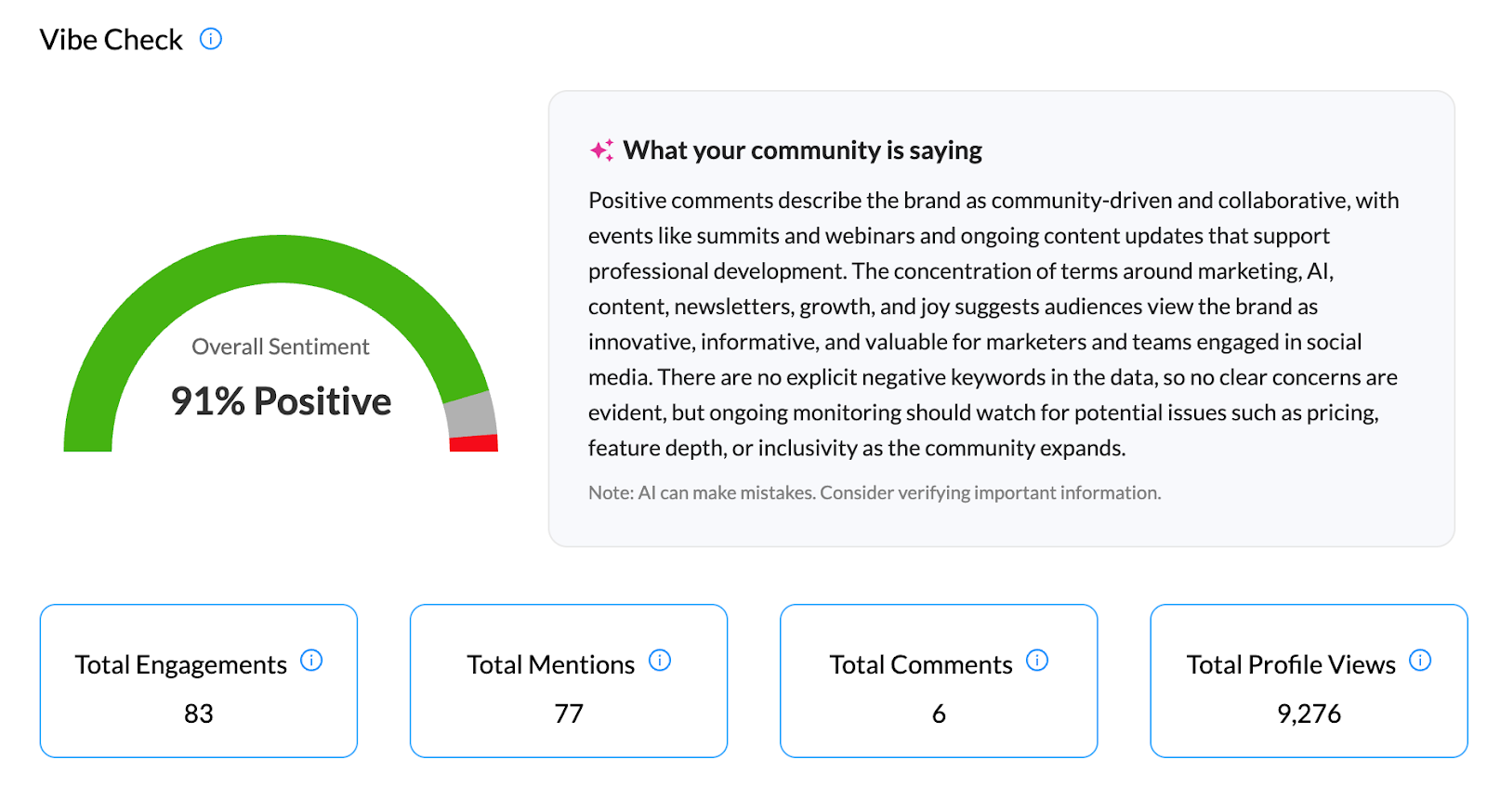
Community engagement is the heart of social media. Responding, interacting, and listening help you build long-term relationships, not just metrics.
Tips for strong community care
- Reply in DMs and comment threads to keep the dialogue going.
- Co-create content with members
- Repost and showcase community work to give members the spotlight
- Like, comment, and celebrate posts from the community
- Keeps interactions real, not robotic
- Respond within 24 hours
- Keep an eye on tags, mentions, and DMs
- Join conversations related to your niche
- Pass helpful feedback to your team
Know your community roles
Not everyone in your community engages the same way. Understanding roles helps you connect better.
Here’s what we do:
- Follower: Curious SMMs who love the community but aren’t customers yet
- Customer: SMMs actively using HeyOrca for social media management
- Experts: Super fans who shout about HeyOrca everywhere
- Creator: Collaborators who co-create content and help spread brand awareness
By mixing fast responses, meaningful conversations, and celebrating your community, you turn engagement into real connection.
Step 10: Measure your social media performance
Your strategy works best when it’s backed by data. Tracking your metrics helps you understand what’s working and what needs adjusting.
Your goals should be SMART – specific, measurable, attainable, relevant, and time-bound.
Instead of the goal of “grow our community,” try:
“Increase Instagram reach by 25% within 60 days by sharing three Reels per week.”
But SMART goals alone aren’t the whole story. Your content goals should also match where your brand is headed.
To choose the right goals, look at the full customer journey:
- Awareness: reach, impressions, brand mentions
- Engagement: comments, saves, shares
- Conversion: website clicks, leads, sales
- Retention: repeat engagement, social loyalty indicators
For example, on social media, you might want to measure the number of mentions, engagement rate, and/or community growth.
Whereas off of social media, you might consider measuring organic sign-ups, Google brand search, and/or cost per acquisition.
It’s also helpful to review past analytics. What worked? What fell flat? These patterns help you create goals grounded in real results.
Once you’ve set your content goals, write them down and share them with your team. Transparency keeps everyone aligned (and helps you celebrate wins together).
How social media marketing works behind the scenes
Most platforms boost content that gets:
- Strong engagement
- Longer watch time
- High relevance
- Consistent posting patterns
Understanding this helps you create content that both your community and the algorithm enjoy.
Step 11: Optimize and update your content strategy
Your social media strategy isn’t a one-time project – it’s a living document. The best brands review and refine their plans regularly so they can stay aligned with their goals, their analytics, and their community’s needs.
What to test
- Captions
- Formats
- Visual styles
- Posting times
- Calls-to-action
Try a quarterly review
Look at:
- Wins
- Losses
- Content themes that resonated
- Budget allocation
- Any new goals or shifts in priorities
- External forces (ex: platform bans, regulations that imapct your industry, a new competitor on the rise, etc.)
Optimization helps you grow sustainably and stay adaptable in a fast-changing social landscape.
FAQs
How do I start creating a social media strategy?
Begin with your goals. Once you’re clear on what you want to achieve, research your community, choose the right platforms, and build a simple content plan you can follow consistently.
What’s the most important part of a social media strategy?
Understanding your community and setting measurable goals. When you know who you’re talking to and why you’re posting, it becomes much easier to create content with impact.
How often should I post on social media?
There’s no perfect number, but a consistent schedule is key. For most teams, 3–5 quality posts per week is a strong place to start.
Do I need to be active on every social platform?
No. Focus on the platforms where your community is already active. It’s better to show up well in fewer places than to stretch your team too thin.
How does social media marketing support a business?
Social media can increase brand visibility, grow your community, generate leads, and support sales. A clear strategy helps you turn everyday content into long-term business outcomes.
How much time should I expect to spend on social media marketing each week?
Most teams spend 5–10 hours per week, depending on their content volume and the number of platforms they manage. With the right planning and tools, you can simplify your workflow and reclaim more time.
Next steps
Creating a social media strategy in 2026 doesn’t have to feel overwhelming. With clear goals, a deep understanding of your community, and a content plan you can actually stick to, you’re already miles ahead. The most successful brands this year aren’t the ones posting the most – they’re the ones posting with purpose.
As you build your strategy, remember:
- Stay curious
- Review your data often
- Keep your workflow simple
- Adapt your plan as your community evolves
Social media changes quickly, but your strategy can grow with you. When you focus on connection over perfection, you’ll build a social presence that supports your business today and long-term growth in the future.
If you want more support, inspiration, or templates, the HeyOrca community is always here to help you make a splash.
Still paying per seat for your social media tool? With HeyOrca, you get unlimited users – so your whole team (and clients!!) can collaborate without the extra cost. Plan, approve, and schedule your next post now.
Every member of your team deserves a seat at the table. That's why every HeyOrca plan comes with unlimited users. Choose the social media scheduler that helps you create, collaborate, and build community – without worrying about extra fees. Start your free trial.
Build stronger social media communities. HeyOrca brings your whole team together – with unlimited users!! – to plan, approve, and schedule content in one place. See it come together in minutes.
Looking for a social media tool built for teams and agencies? Plan, approve, and schedule your next post in minutes with HeyOrca – no credit card required.
.png)
Close all those tabs
Use HeyOrca to manage your social media content, approvals, and community in one place.
*no card required