What is AI slop & how can your brand avoid it?
What is AI slop, and why is it so hard to detect? Explore the origins of AI writing myths and how to keep your brand’s content thoughtful and original.
You’ve probably noticed an influx of AI-generated content in your social feeds.
With the rise of tools like ChatGPT, Google Gemini, and Claude, it’s easier than ever to generate copy, images, and videos in seconds.
That convenience has created a new problem: AI slop.
Between 2022 and 2024, communities on 4chan and Hacker News popularized the term to describe low-quality, mass-produced AI content designed to grab attention, flood platforms, and generate ad revenue.
With so much content competing for attention, social media managers need to be intentional about how their brand shows up. Here’s a clearer look at what AI slop actually is, what it isn’t, why it matters for your brand, and how to ensure your brand isn’t contributing to the noise.
What is AI slop?

AI slop is low-quality, mass-produced digital content generated primarily to attract attention rather than provide value.
This content is designed to trigger clicks, outrage, or curiosity – but it rarely leaves the audience better informed, entertained, or helped. In some cases, it can even spread misleading information, which is why recognizing and avoiding AI slop is a critical skill for any social media professional.
Here’s how our Pod defines it:
“For me, it's putting quantity over quality and creating something just to say you did, vs having intention and meaning behind it.” – Steph Crombie, Employee Experience Manager at HeyOrca
“Slop is slop. Whether it’s written by a human or generated with AI. At the end of the day, it’s not about whether you use AI, it’s about *how* you use it. AI is just a tool. It doesn’t replace taste or care. Thoughtful people can use it to think better and create better. Careless use just creates more noise . . . Slop.” – Joe Teo, CEO at HeyOrca
“Anything can be slop, it doesn't matter who or what created it." – Steve Quintana, VP Engineering at HeyOrca
What is an example of AI slop?
For social media managers, spotting AI slop starts with understanding what it looks like in practice.
AI slop can take many forms, including:
- Surreal or nonsensical AI images (for example, animals with human features)
- “Zombie” celebrity content featuring deepfakes or recycled likenesses
- Automated YouTube “cartoon farm” channels producing hundreds of videos per week
- Misleading or synthetic political imagery designed to provoke reactions
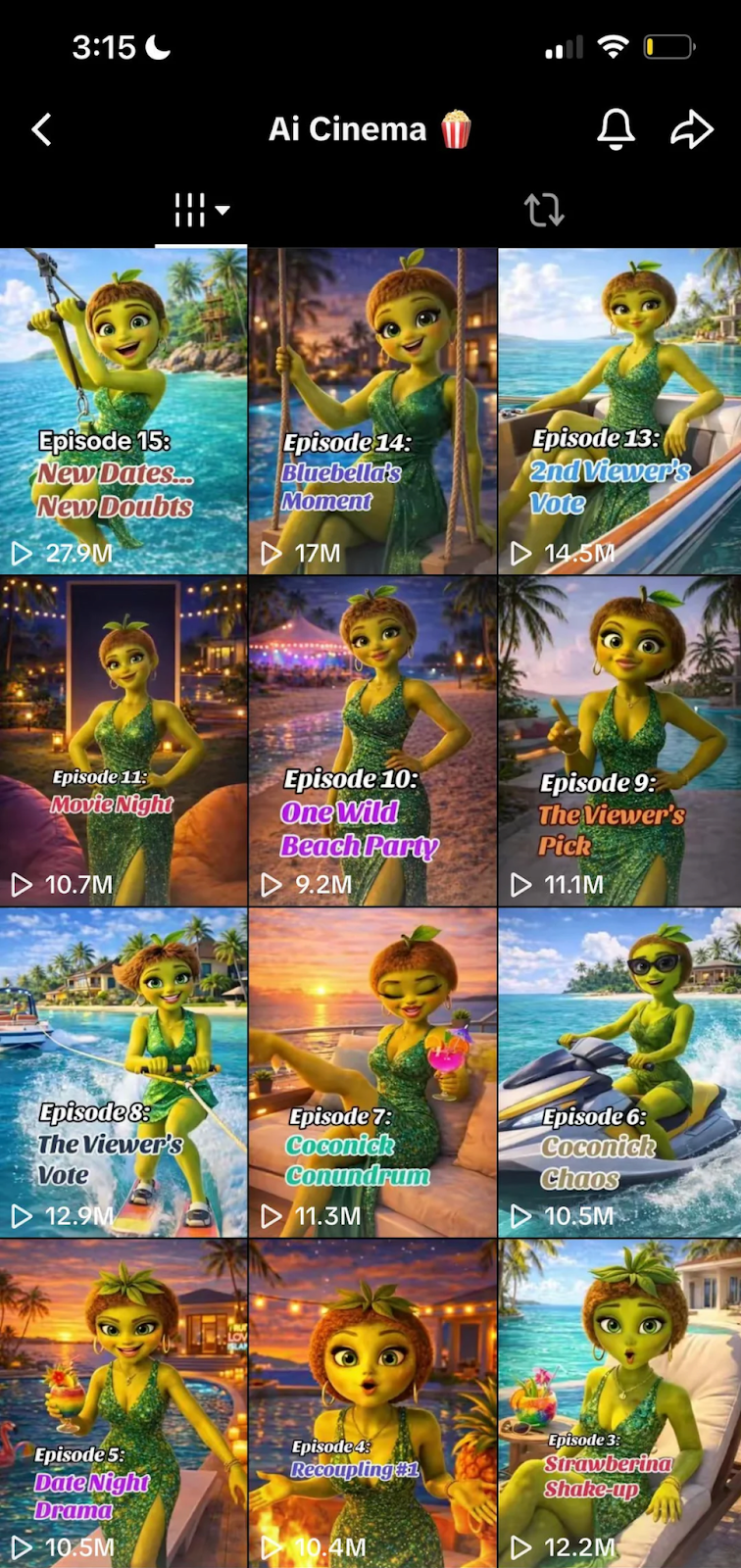
Even some viral short-form formats – like the “Fruit Love Island” style videos – fall into this category when they’re generated purely to farm views without meaningful storytelling. However, while we might think it's slop, there are loads of people who would beg to differ.
How brands can avoid creating AI slop
AI is incredibly useful for gathering information, exploring angles you might not have considered, and speeding up repetitive tasks. But it should never be the final decision-maker in your content process.
A human still needs to verify facts, add context and nuance, and bring a clear point of view to the work. Without that layer of judgment and experience, even technically correct content can end up feeling generic or hollow.
It can be tempting to use AI to mass-produce content for your clients at scale. On paper, it looks efficient – more posts mean more coverage and more opportunities to be seen. But social media is no longer just a broadcasting channel. To stand out, your brand needs to build long-term relationships with its community and actively maintain them over time.
That’s why this conversation is so closely tied to community-led marketing. Community-led marketing puts your audience at the centre of everything you do. It’s about listening, engaging, and building meaningful relationships – not just chasing clicks or impressions. When you focus on community, you create more than customers; you create advocates who amplify your brand, champion your story, and stick around for the long haul.
AI slop isn’t defined by writing style
One of the biggest misconceptions that you may have heard as a marketer is that you can spot AI content purely by how it looks or reads. People often point to stylistic clues such as:
- Bullet points
- Em dashes
- Short sentences
- The “rule of threes”
- “It’s not this, it’s that” phrasing
But none of these are reliable indicators of AI. They’ve been used in human writing for centuries.
Em dashes existed long before AI
Take this poem:
“Tell all the truth but tell it slant —
Success in Circuit lies
Too bright for our infirm Delight
The Truth's superb surprise
As Lightning to the Children eased
With explanation kind
The Truth must dazzle gradually
Or every man be blind —”
This wasn’t written by an AI model. It’s from Tell All the Truth but Tell it Slant (1263) by Emily Dickinson.
Rule of threes isn’t an AI tell
“See it. Say it. Sorted.”
If you guessed that slogan was AI-generated, you’d be wrong. It was created by the British Transport Police as part of a public safety campaign.
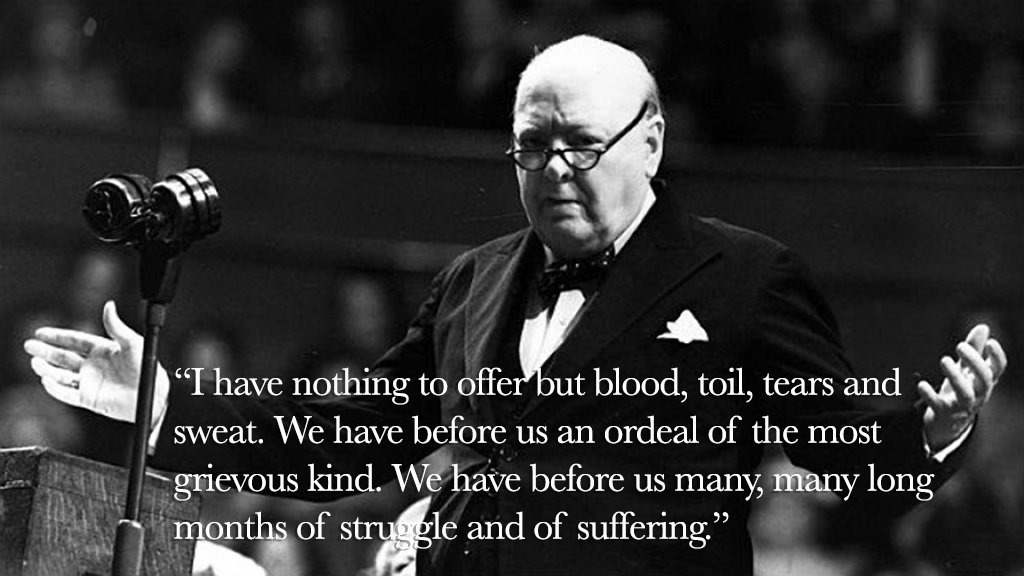
The rule of threes shows up everywhere in human communication – from fairy tales to political speeches – because it’s memorable and rhythmic.
“It’s not this, it’s that” is a classic rhetoric
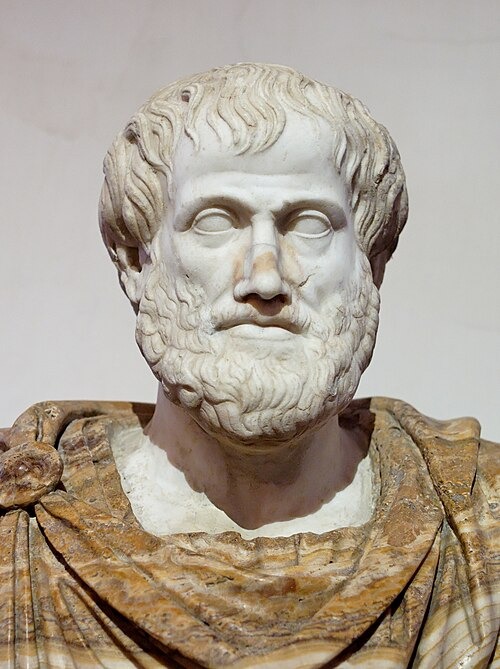
This structure is called antithesis, a rhetorical device used as far back as Aristotle and Cicero.
You’ll find it in:
- Religious texts (“I came not to bring peace, but a sword” – St Matthew's Gospel, 10:34)
- Shakespearean dialogue (“Give every man thy ear, but few thy voice.” – Hamlet)
- Classic literature (“It was the best of times, it was the worst of times” – A Tale of Two Cities by Charles Dickens)
So no, these patterns don’t mean something is AI-generated. They mean the writer is using time-tested rhetorical techniques.
The real way to identify AI slop as a social media manager
Bad writing doesn’t automatically mean AI wrote it, and good writing doesn’t prove a human did.
There aren’t any foolproof stylistic tells – aside from the occasional slip-up where the prompt gets left in the final copy.
For anyone managing social channels, that’s the key difference between posts that build trust and engagement and posts that just add to the noise.
So instead of playing detective with punctuation and sentence structure, ask a simpler question: Is this content actually helping anyone, or is it just filling space to farm attention?
What AI slop is vs what it isn’t
AI itself isn’t the problem, but the way it’s being used.
Seth Godin puts it this way: “It’s not slop because it was created by an AI. It’s slop because it’s slop.”
Not AI slop:
- Using AI for research or brainstorming
- Drafting content and then heavily editing it
- Using AI to review your work and ask critical questions
AI slop:
- Publishing AI output without fact-checking or editing
- Generating large volumes of low-effort content just to stay visible
- Prioritizing speed and quantity over originality and usefulness
AI slop vs brain rot
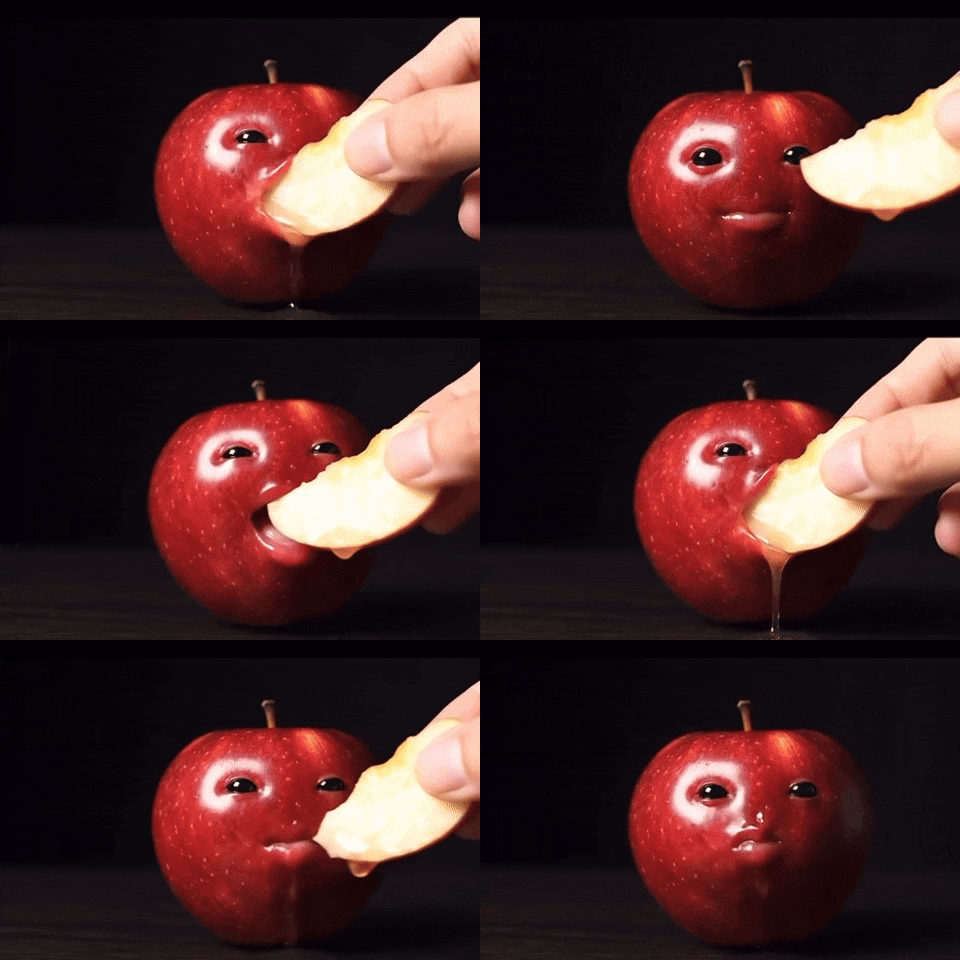
AI slop is often confused with another internet term: brain rot.
While they overlap, they’re not identical.
AI slop
- High-volume, low-effort content
- Often generated automatically
- Designed to farm clicks and ad revenue
Brain rot
- Absurd, repetitive, or hypnotic content
- Designed to keep you scrolling, even when you know it’s pointless
- Common in endless short-form loops and surreal meme formats
Both are products of the attention economy, but AI slop focuses on production scale, while brain rot focuses on psychological stickiness.
FAQs
Is AI-generated content bad for SEO?
Not on its own. Search engines don’t rank content based on whether a human or AI created it; they rank it based on quality, originality, and usefulness. The real risk is publishing large volumes of low-value content. When content feels repetitive, shallow, or made purely to capture traffic, search engines are more likely to treat it as spam and rank it poorly.
How can you tell if content is AI-generated?
There’s no single reliable way to spot AI-generated content just by reading it. Common “tells” like em dashes, bullet points, or short sentences are also widely used by human writers.
A stronger signal is a lack of specificity. Content that feels generic, repetitive, or disconnected from real-world experience may have been generated or heavily templated — but even that isn’t a guarantee.
What is the difference between AI content and AI slop?
AI content is any text, image, or video created with the help of artificial intelligence tools.
AI slop is a specific type of AI content. It’s typically:
- Mass-produced
- Low quality
- Created primarily to generate clicks, impressions, or ad revenue
Should brands avoid AI tools altogether?
No, and for most teams, that wouldn’t be realistic or necessary.
AI tools can be incredibly helpful for:
- Research and summarization
- Outlining and brainstorming
- Editing for clarity and structure
The key is keeping humans involved in the parts that matter most: strategy, storytelling, fact-checking, and final approval.
Is AI slop the same as spam content?
They overlap, but they’re not identical.
Spam content is usually created to manipulate search rankings or distribute malicious links. AI slop, on the other hand, is often designed to flood social feeds and exploit algorithms that reward volume and engagement. Both, however, are driven by the same goal: maximizing visibility with minimal effort.
Does Google penalize AI content?
No. Google does not automatically penalize content just because it was created using AI. What Google does prioritize is helpful, people-first content. That means content created purely to manipulate rankings (whether written by humans or AI) is more likely to perform poorly or be flagged as spam.
Why this matters for your brand
When audiences are constantly exposed to low-effort, misleading, or mass-produced content, they start to trust less of what they see online. That skepticism doesn’t stop at spam or obvious AI slop; it spills over into legitimate brand messaging as well.
By prioritizing quality, originality, and transparency, your brand can stand out as a clear contrast to the noise rather than becoming just another voice in it.
Looking to build a community-focused strategy? Check out our guide on creating a social media content strategy that works in 2026.
Still paying per seat for your social media tool? With HeyOrca, you get unlimited users – so your whole team (and clients!!) can collaborate without the extra cost. Plan, approve, and schedule your next post now.
Every member of your team deserves a seat at the table. That's why every HeyOrca plan comes with unlimited users. Choose the social media scheduler that helps you create, collaborate, and build community – without worrying about extra fees. Start your free trial.
Build stronger social media communities. HeyOrca brings your whole team together – with unlimited users!! – to plan, approve, and schedule content in one place. See it come together in minutes.
Looking for a social media tool built for teams and agencies? Plan, approve, and schedule your next post in minutes with HeyOrca – no credit card required.
.png)
Close all those tabs
Use HeyOrca to manage your social media content, approvals, and community in one place.
*no card required


%20(2).png)