27 tips to recognize, prevent, and fight marketing burnout

Feeling exhausted, unmotivated, or creatively drained? Learn how to recognize marketing burnout with 27 practical tips from social media marketers.
Social media managers spend their days building communities, creating content, managing stakeholder requests, keeping up with platform updates, and responding to comments.
They're often the first to celebrate a viral post, jump on a trend, answer a customer question, or navigate a social media crisis.
But when you're constantly taking care of a brand's online presence, it's easy to forget about your own well-being.
To better understand marketing burnout, we asked members of the HeyOrca Pod to share their experiences. Some had experienced burnout firsthand. Others had developed habits, boundaries, and routines that help them protect their mental health while working in social media.
Their stories, combined with industry research and insights from marketers across the industry, inspired this guide. Whether you're trying to recognize the signs of burnout, prevent it before it starts, or recover from it now, we hope these tips help.
Before we dive in
We asked members of the HeyOrca team to share their experiences with burnout, recovery, and building healthier work habits. While their insights are valuable, they're based on personal experiences – not medical expertise.
If you're struggling with persistent burnout, mental health concerns, or symptoms that are affecting your daily life, we encourage you to reach out to a qualified healthcare professional. Getting support is a strength, not a weakness.
This article is here to share practical tips, relatable experiences, and helpful resources – not to diagnose or treat burnout.
What is marketing burnout?
Marketing burnout is a state of emotional, mental, and physical exhaustion caused by prolonged workplace stress.
It tends to build slowly over time through heavy workloads, constant pressure, unrealistic expectations, and a lack of recovery time.
For social media marketers, burnout often shows up as:
- Chronic exhaustion
- Reduced creativity
- Difficulty concentrating
- Lower productivity
- Increased cynicism toward work
- Feeling disconnected from your work or community
The challenge is that many marketers don't realize they're experiencing burnout until it's already affecting their health and quality of life.
Marketing burnout vs. stress: What's the difference?
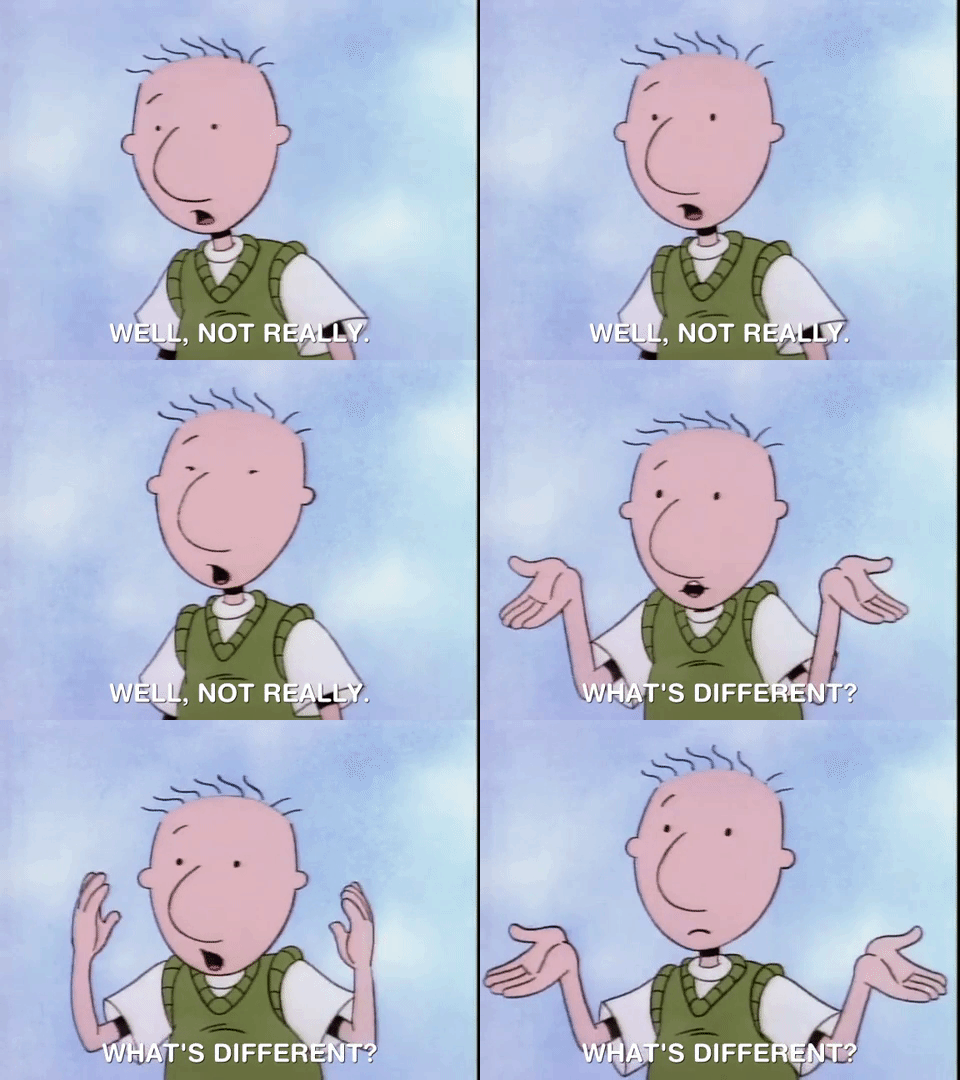
Stress and burnout are often used interchangeably, but they're not the same thing.
Maybe you're launching a big campaign, preparing for an event, or managing an unusually busy month. While stressful, you generally feel better once the situation passes.
Burnout is different.
Burnout sticks around long after the deadline is over. You feel exhausted even after resting. Work that once excited you feels draining. Your motivation disappears, and even simple tasks can feel overwhelming.
A simple way to think about it:
Stress feels like too much.
Burnout feels like nothing is left.
9 tips to identify marketing burnout before it gets worse
1. Pay attention to constant exhaustion
Everyone feels tired after a busy week.
But if you're consistently exhausted despite getting enough sleep and taking time off, your body may be trying to tell you something.
2. Notice when content creation feels harder than usual
One creative slump isn't a cause for concern.
But if every content calendar feels impossible to fill and every idea feels forced, it could be a warning sign that your creative energy is depleted.
3. Track how often you're getting sick

Naomi Addai, Account Manager at HeyOrca, mentions that one of the biggest signs of burnout wasn't emotional at all; it was actually physical.
"I didn't realize I was experiencing burnout until it had become quite severe. Looking back, the biggest warning sign was how often I was getting sick. In a single year, I had COVID twice, the flu twice, and laryngitis four times."
If you're getting sick more frequently than usual, it may be worth examining whether chronic stress is playing a role.
4. Watch for a drop in motivation
Projects you once enjoyed start feeling like chores.
If you find yourself procrastinating more often or struggling to care about work that used to excite you, this might be related to burnout.
5. Pay attention to growing negativity
Burnout often changes how we think.
You may become more cynical about your work, your team, your clients, or the industry as a whole.
6. Notice when your focus disappears
Simple tasks start taking longer than they should. You reread the same paragraph three times. You open a document and forget what you intended to do.
7. Monitor your productivity levels
Working longer hours but accomplishing less can be a sign that your energy reserves are running low.
8. Ask yourself if you're still enjoying life outside of work
Burnout often follows you home even after you clock out.
If you've stopped engaging in hobbies, spending time with friends, or doing activities you once loved, it may be time to reassess your workload and recovery habits.
9. Take a quick burnout check-in
Ask yourself:
- Am I tired even after resting?
- Do I dread opening social media?
- Am I struggling to focus?
- Do I feel more cynical than usual?
- Have I lost interest in hobbies outside of work?
- Do I feel guilty when I'm not working?
If you answered "yes" to several of these questions, it may be time to take a closer look at your work habits and boundaries.
Why social media managers are especially vulnerable to burnout
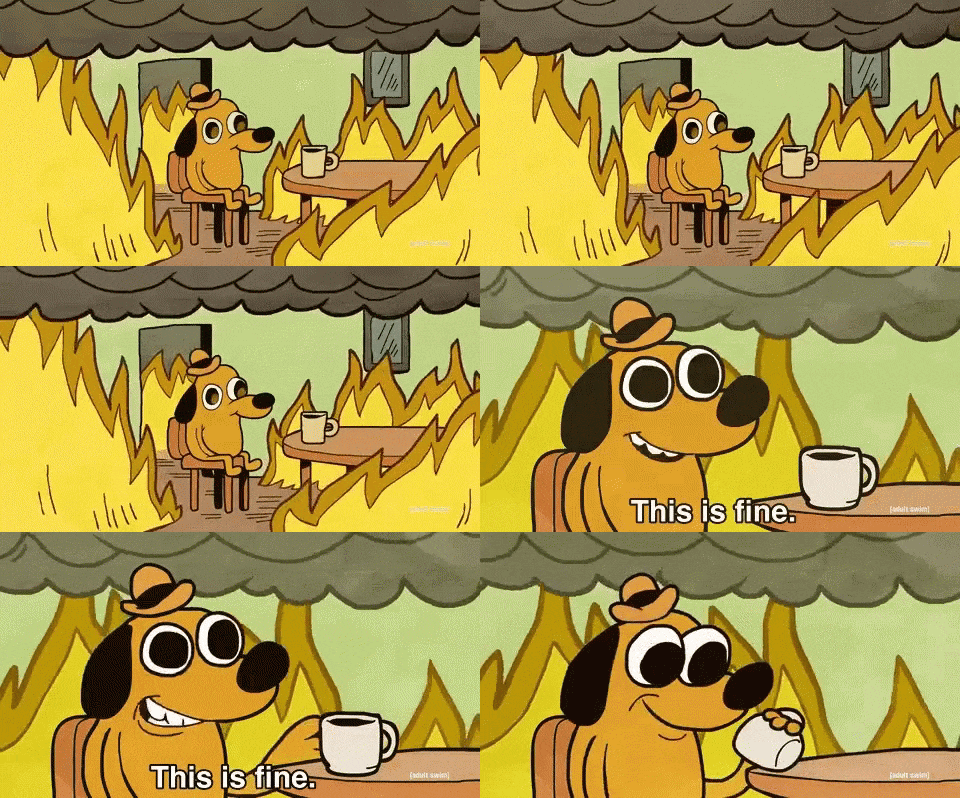
Social media managers face unique challenges compared to many other marketing roles.
Many social media professionals work beyond traditional office hours because communities, comments, and conversations don't stop at 5 PM.
You're expected to stay on top of trends, platform updates, community management, content creation, reporting, stakeholder requests, and performance metrics – all while remaining creative.
On top of that, social media managers regularly face:
- Negative comments and online criticism
- Pressure to respond quickly
- Constant algorithm changes
- Unrealistic expectations from stakeholders
- Content overload
- The feeling that they need to be everywhere at once
It's a lot for one person to carry.
Fortunately, there are ways to protect yourself.
9 tips to prevent marketing burnout
10. Set clear boundaries with social media

Jessica Lui, Social Media Manager at HeyOrca, says boundaries have helped her create separation between work time and recovery time.
"The best thing you can do is have boundaries with your clients and work. Absolutely no scrolling after work hours helps me SO much."
11. Create phone-free time
Jessica intentionally schedules phone-free periods on weekends.
"I actually never scroll on the weekends."
You don't need to start with an entire weekend. Even a few hours away from your phone can help reset your brain.
12. Turn off email notifications
One notification can derail an entire evening.
As Jessica explains:
"Sometimes I see something pop up and it makes me nervous the rest of the day."
Remember that not every email deserves immediate attention.
13. Stop trying to be an expert on every platform
One of the fastest paths to burnout is believing you need to master every social network.
You don't.
Focus on the platforms most relevant to your community and use trusted newsletters, webinars, and industry experts to stay informed about the rest.
14. Follow industry updates without doomscrolling
You don't need to spend hours scrolling to stay informed.
Instead, subscribe to newsletters, attend webinars, and follow a handful of trusted marketers on LinkedIn.
Check out this list of newsletters to subscribe to for inspo.
15. Curate your feeds intentionally
Not everything in your feed should be work-related.
Follow artists, photographers, creators, gardeners, athletes, and people who inspire you.
Your feed should give energy back to you, not take it away.
16. Mute keywords, topics, or accounts that negatively impact your mental health
Protecting your attention is part of protecting your well-being.
17. Set app timers
Sometimes the simplest solution is the best one.
Use screen-time limits to help create healthy boundaries around social media usage.
18. Take your lunch break
Yes, the entire hour! Step away from your desk and take the time to relax. You could watch an episode of a show you like, go for a walk, read, or even take a power nap.
9 tips to fight burnout when you're already experiencing it
19. Take vacation time
If you've been putting off vacation because work feels too busy, that's often a sign you need it most. Even taking a random day off goes a long way.
20. Spend more time outside
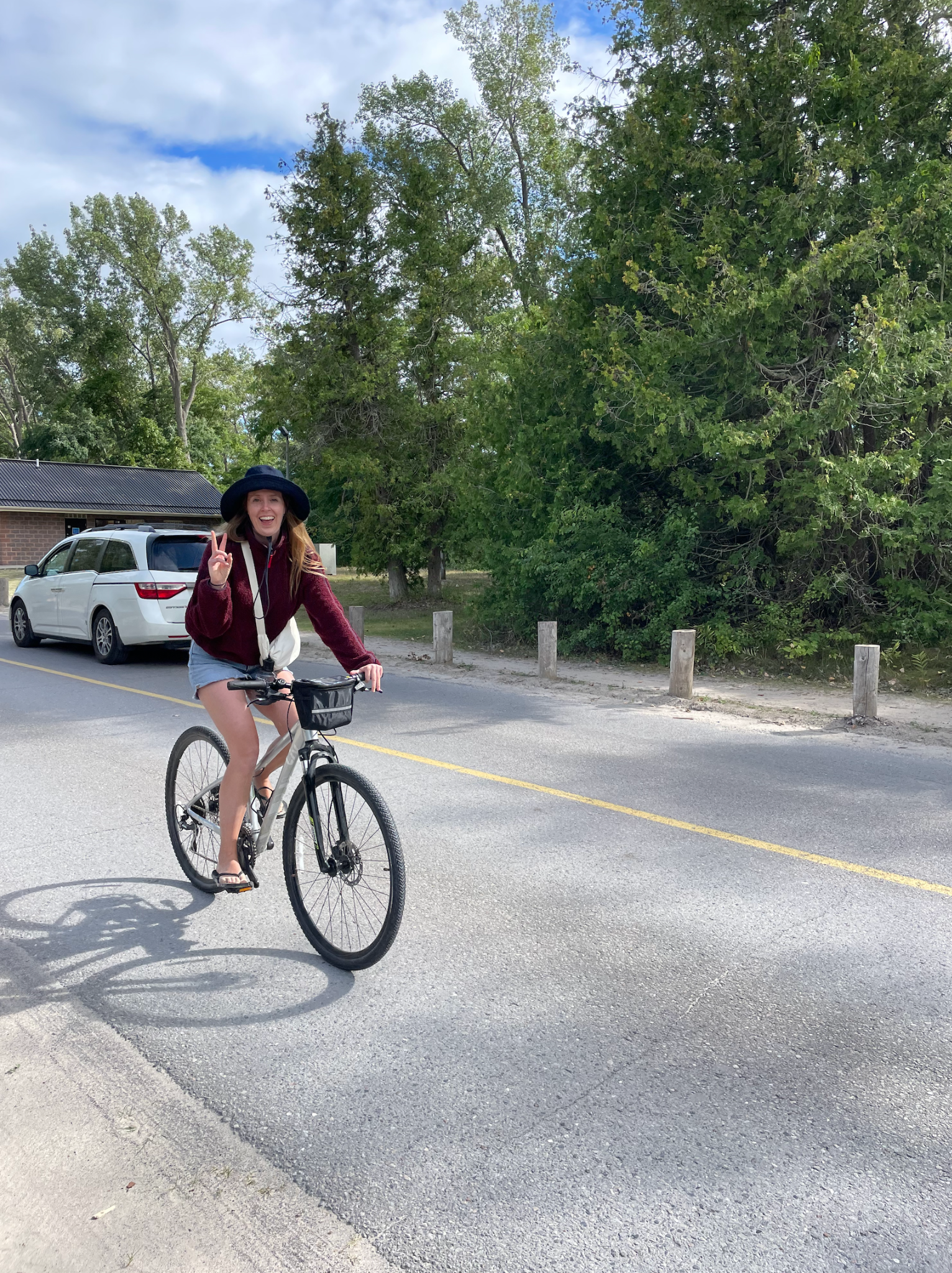
Fresh air, sunlight, and nature can be surprisingly effective burnout recovery tools.
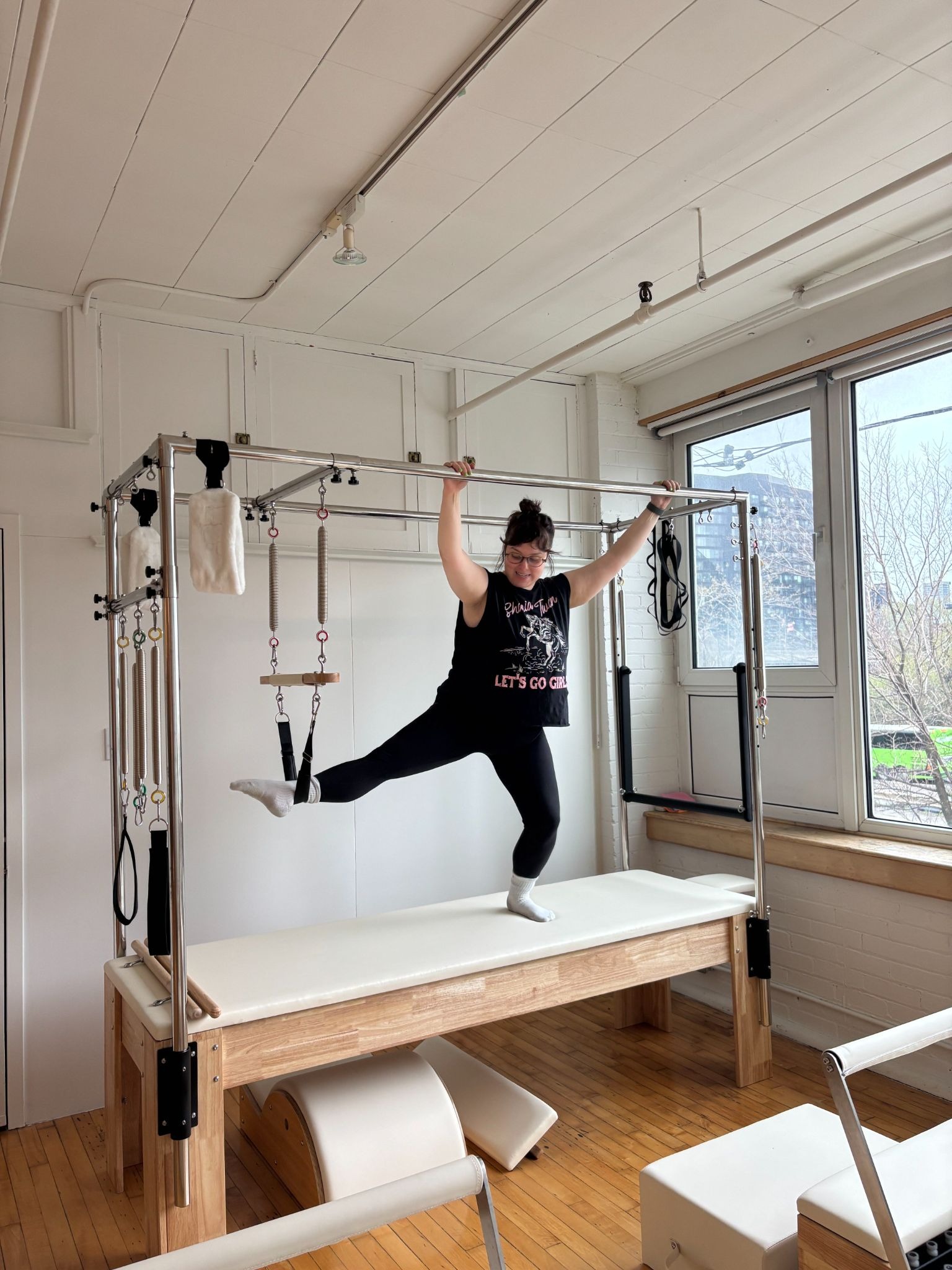
21. Move your body every day
Naomi now prioritizes daily movement as part of her recovery routine.
“In my day-to-day life, I’m now intentional about spending time outdoors, moving my body daily, taking lunch breaks, logging off work on time, never (ever) working from bed, staying hydrated, and creating space to slow down and breathe through tasks – even on the busiest days.”
22. Focus on the basics first
When you're burnt out, start with the fundamentals:
- Sleep
- Water
- Food
- Movement
- Rest
You can't optimize your way out of burnout.
23. Reconnect with hobbies outside of marketing
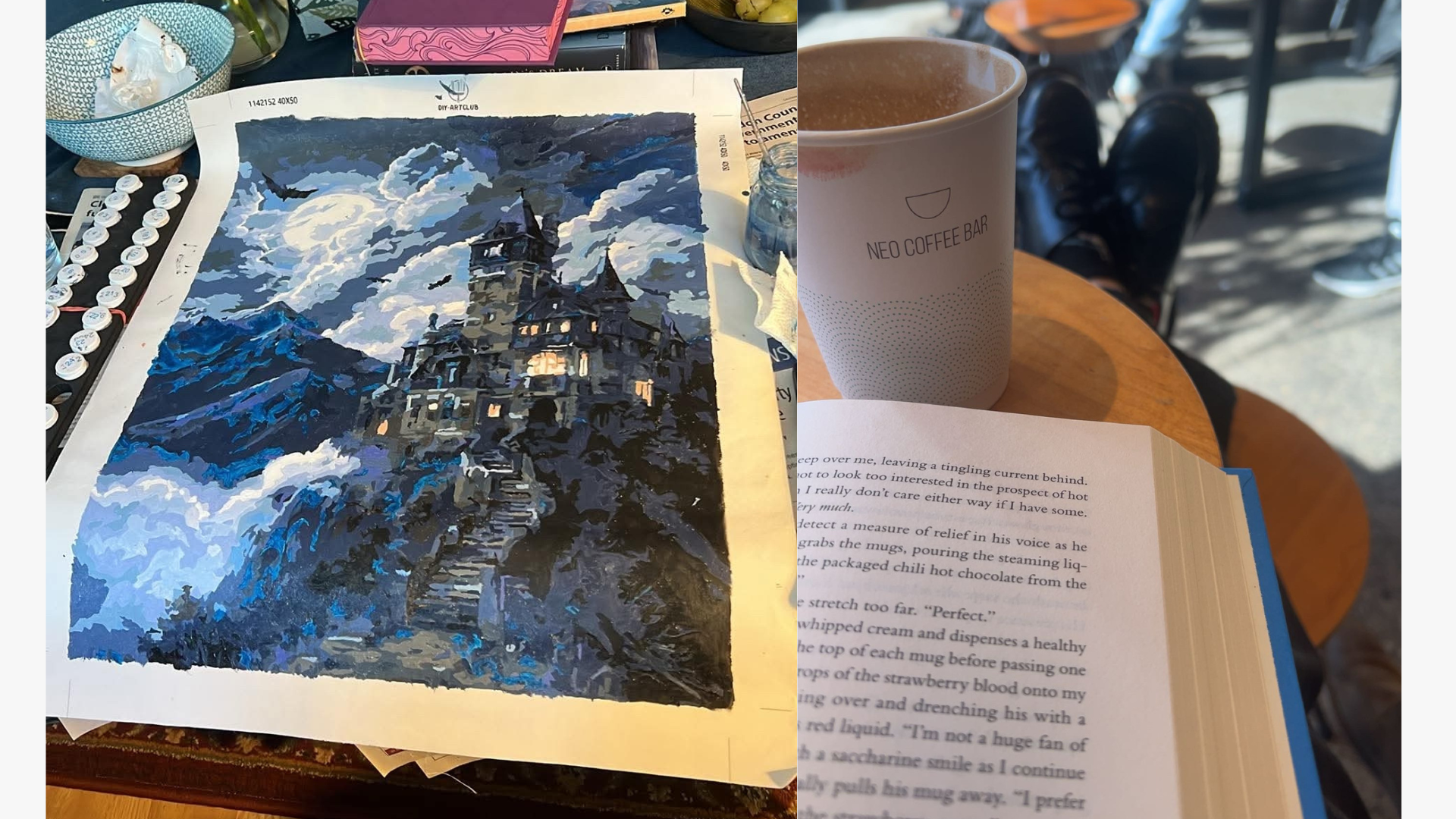
Reconnecting with hobbies, interests, and routines that have nothing to do with marketing can help create a healthier balance. Read a book, go for a hike, join a sports league, learn a new skill, or even pick up an old hobby you haven't made time for in years.
And remember: not every hobby needs to become content.
You don't have to turn your latest interest into a side hustle, personal brand, or TikTok series. Some things can exist purely because you enjoy them.
Giving yourself space to do things without worrying about engagement, performance, or productivity can be a powerful part of burnout recovery.
24. Give yourself permission to work at your current capacity
Burnout has a way of convincing us that we need to keep pushing harder.
In reality, the opposite is often true.
When your energy is limited, focus on the work that matters most and let the less important tasks wait. Many marketers find it helpful to lean on the 80/20 rule: identify the 20% of tasks that will drive the biggest results and prioritize those first.
25. Remember that recovery takes time
Burnout recovery isn't linear. Here’s what Naoimi advises:
"Recovery required refocusing on myself, reconnecting with my hobbies, and learning how to truly rest – skills I hadn’t prioritized before.”
Be patient with yourself.
26. Ask for support
Whether it's your manager, a coworker, a mentor, or a mental health professional, you don't need to navigate burnout alone.
27. Consider whether the role itself is contributing to burnout
For Naomi, leaving her role was ultimately part of her recovery journey.
“Since then, finding a job with a better work-life balance has been one major piece of the puzzle, while learning my capacity across all areas of life has been another. Books that helped me develop those skills include The Cure for Burnout by Emily Ballesteros, The Relaxed Woman by Nicola Jane Hobbs, and Rest Is Resistance by Tricia Hersey.”
Frequently asked questions about marketing burnout
What causes marketing burnout?
Marketing burnout is often caused by prolonged stress, heavy workloads, unrealistic expectations, constant connectivity, and a lack of recovery time.
How common is burnout among social media managers?
Burnout is common among social media professionals due to the always-on nature of the role, increasing content demands, community management responsibilities, and the pressure to stay on top of industry trends.
How long does it take to recover from burnout?
Recovery timelines vary from person to person. Some people start feeling better after a few weeks, while others may need several months. Recovery often involves a combination of rest, healthier boundaries, lifestyle changes, and workplace support.
Can taking a vacation fix burnout?
A vacation can help, but it usually isn't a complete solution. If the underlying causes of burnout remain unchanged, the symptoms often return once work resumes.
What are the first signs of burnout?
Common early signs include constant fatigue, difficulty focusing, reduced creativity, increased irritability, declining motivation, and feeling disconnected from work.
Is burnout the same as depression?
No. Burnout and depression can share similar symptoms, but they are not the same condition. If symptoms persist or significantly impact your daily life, it's important to seek support from a qualified healthcare professional.
Burnout doesn't mean you're bad at your job
Social media managers spend their days building communities, supporting brands, and helping others stay connected.
But building community for others shouldn't come at the expense of yourself. And in case you need the reminder, burnout isn't a sign that you're failing.
It's often a sign that you've been carrying too much for too long.
This article is intended for informational purposes only and is not a substitute for professional medical advice. If you're experiencing ongoing burnout, mental health challenges, or symptoms that are impacting your day-to-day life, consider speaking with a qualified healthcare professional.
Still paying per seat for your social media tool? With HeyOrca, you get unlimited users – so your whole team (and clients!!) can collaborate without the extra cost. Plan, approve, and schedule your next post now.
Every member of your team deserves a seat at the table. That's why every HeyOrca plan comes with unlimited users. Choose the social media scheduler that helps you create, collaborate, and build community – without worrying about extra fees. Start your free trial.
Build stronger social media communities. HeyOrca brings your whole team together – with unlimited users!! – to plan, approve, and schedule content in one place. See it come together in minutes.
Looking for a social media tool built for teams and agencies? Plan, approve, and schedule your next post in minutes with HeyOrca – no credit card required.
.png)
Close all those tabs
Use HeyOrca to manage your social media content, approvals, and community in one place.
*no card required


.png)