Why your social media engagement is stalling (and how to fix it)

Want more social media engagement in 2026? Explore proven strategies to boost interaction, avoid common mistakes, and build a community that sticks.
Social media engagement looks different than it did even a year ago.
AI has levelled up, content creation is faster, scheduling is smarter, analytics are sharper, annnnd by the time you finish reading this, something new will probably roll out.
Through all of that change, one thing has stayed the same: people still want to feel seen.
Engagement is no longer about being the loudest in the feed — and for social media managers, agencies, and in-house teams, this shift changes how we plan content, collaborate internally, and show up every single day.
If you’re looking for best practices for social media engagement in 2026, the answer isn’t “post more.” It’s “be more intentional.”
So why does engagement still matter so much?
Because engagement is the clearest signal that your content is resonating. It tells you whether people care enough to respond, save, share, or start a conversation. And in 2026, connection is what separates brands that grow from brands that just post.
Let’s break down what’s actually driving social engagement right now — and how to build more of it intentionally.
Redefine what engagement means for your community
At its core, social media engagement refers to the actions people take in response to your content.
Traditionally, we talk about four main types of engagement:
- Likes or reactions
- Comments
- Shares
- Saves
But in 2026, we also look at:
- Direct messages
- Story replies
- Repeat interactions
- Community-led conversations
When someone shares your post to their Stories or sends it to a friend, that’s deeper than a passive like. When the same community members consistently show up in your comments, that’s loyalty forming.
And that’s the kind of engagement that actually moves the needle.
But! Before you change your strategy, pause and ask yourself:
- What kind of interaction actually matters to your community?
- Where are conversations naturally happening?
- What signals are saying that people trust you?
If you don’t define engagement for your brand, you’ll end up chasing vanity metrics that look good on a report but don’t build connection.
I definitely suggest checking out how to create a social media content strategy if you haven’t already!
Shift from output mode to relationship mode
AI has made content production easier for everyone. Captions can be drafted in seconds, graphics can be generated in minutes, and scheduling is seamless. Because creating is so easy now, relevance is what stands out.
Communities are gravitating toward:
- Familiar voices
- Predictable value
- Clear points of view
- Content that feels made for them
Instead of asking, “What should we post today?” shift the conversation to, “What would be helpful, interesting, or meaningful for our community today?”
That small shift in planning leads to a stronger connection over time.
4 common engagement mistakes to avoid
Even strong brands stall when they call into these patterns:
- Posting more instead of posting better
More volume doesn’t automatically create more connections. - Asking for engagement without offering value
“Comment below!” works way better when there’s a real reason to comment. - Ignoring comments and DMs
If someone engages and hears crickets back, that relationship cools fast. - Copying trends without context
What works for one audience may fall flat for yours.
Remember, social media engagement grows when content feels intentional, not transactional.
Design content that invites participation
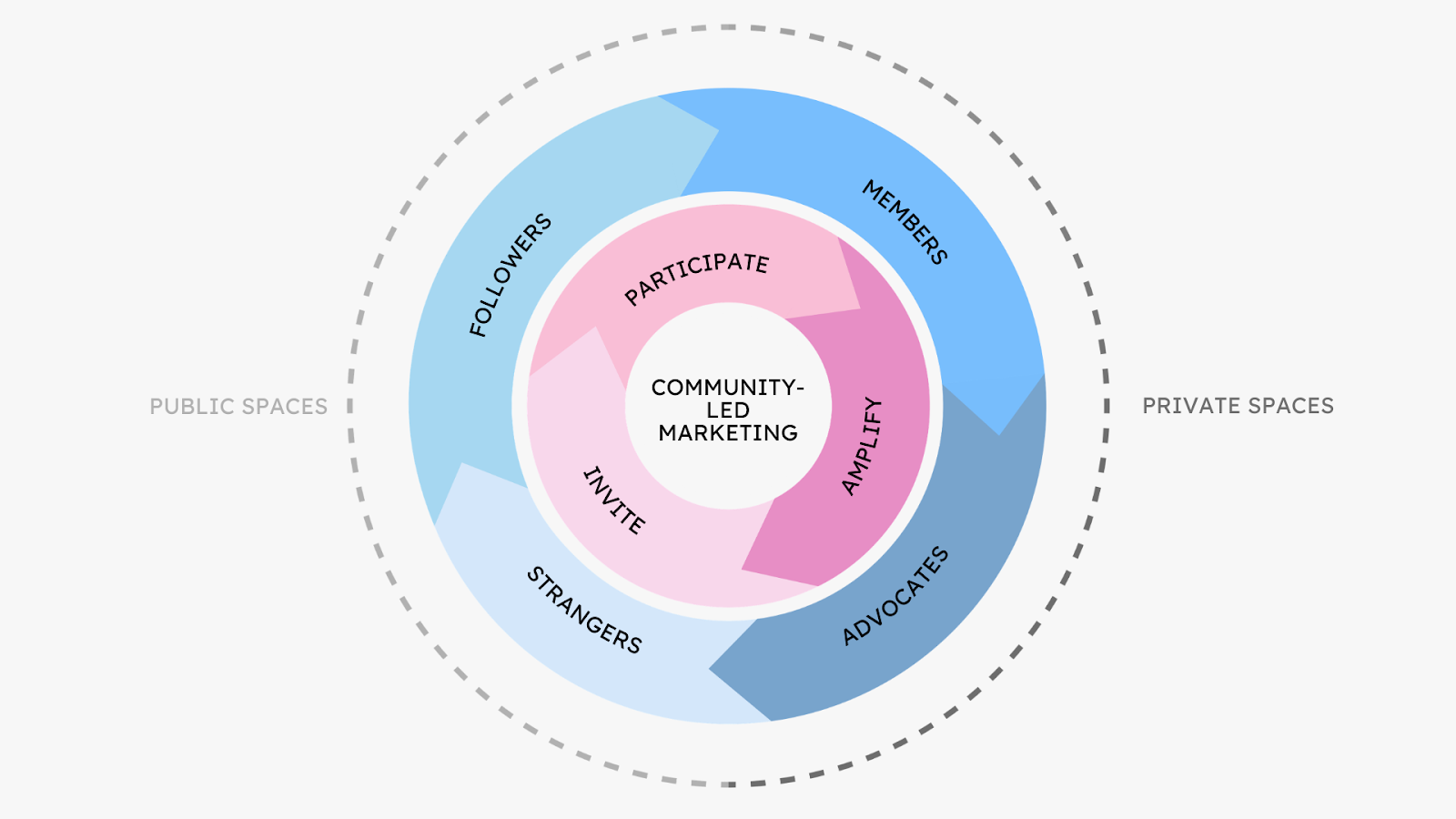
Engagement doesn’t magically happen because a post looks polished. It happens when you create space for people to step in.
Some of the strongest-performing content in 2026:
- Ask for opinions
- Invite stories and experiences
- Share behind-the-scenes moments
- Encourage small, easy responses
People are far more likely to engage when content feels accessible and relevant to their lives. When you’re planning your social media marketing strategy, think about participation at the concept stage.
For example:
- Turn a tip into a question.
- Turn a statistic into a conversation starter.
- Turn a behind-the-scenes moment into an invitation for feedback.
Collaboration is now an engagement strategy
One of the most overlooked best practices for social media engagement in 2026 is improving how your team collaborates – especially if you’re working remotely or managing multiple clients.
Clear workflows help you:
- Maintain a consistent brand voice
- Respond quickly to community interactions
- Plan proactive content instead of constantly reacting
- Align messaging across campaigns
When your planning process runs smoothly, your content feels cohesive. Cohesive brands build familiarity, and familiarity strengthens engagement.
What actually drives social engagement?
If we zoom out, engagement is driven by three core things:
- Relevance – Does this feel made for me?
- Clarity – Do I understand what you're saying and how to respond?
- Emotional connection – Does this make me feel something?
People engage when they feel seen, understood, or invited in. That’s why content built around shared experiences, strong opinions, storytelling, or practical value consistently performs well.
Meet your community where they are
Every community is different.
Some love polls, some prefer storytelling, some respond to educational carousels, and some engage more in DMs than in public comments. The brands building real engagement in 2026 aren’t copying trends blindly. They’re testing posting frequency, observing conversations, and adjusting accordingly.
Take a look at your own data and ask yourself:
- Which posts spark repeat conversations?
- Which formats generate saves?
- When do people respond most actively?
Make it easy to engage
Sometimes the barrier to engagement isn’t interest. It’s effort.
Think like: Overly long captions, cluttered visuals, and/or unclear calls to action.
These small points of friction add up. If you want stronger engagement, make it easy to participate:
- Use clear, simple prompts
- Break up longer captions for readability
- Keep visuals clean and focused
- Be direct about how someone can respond
Build spaces people want to return to
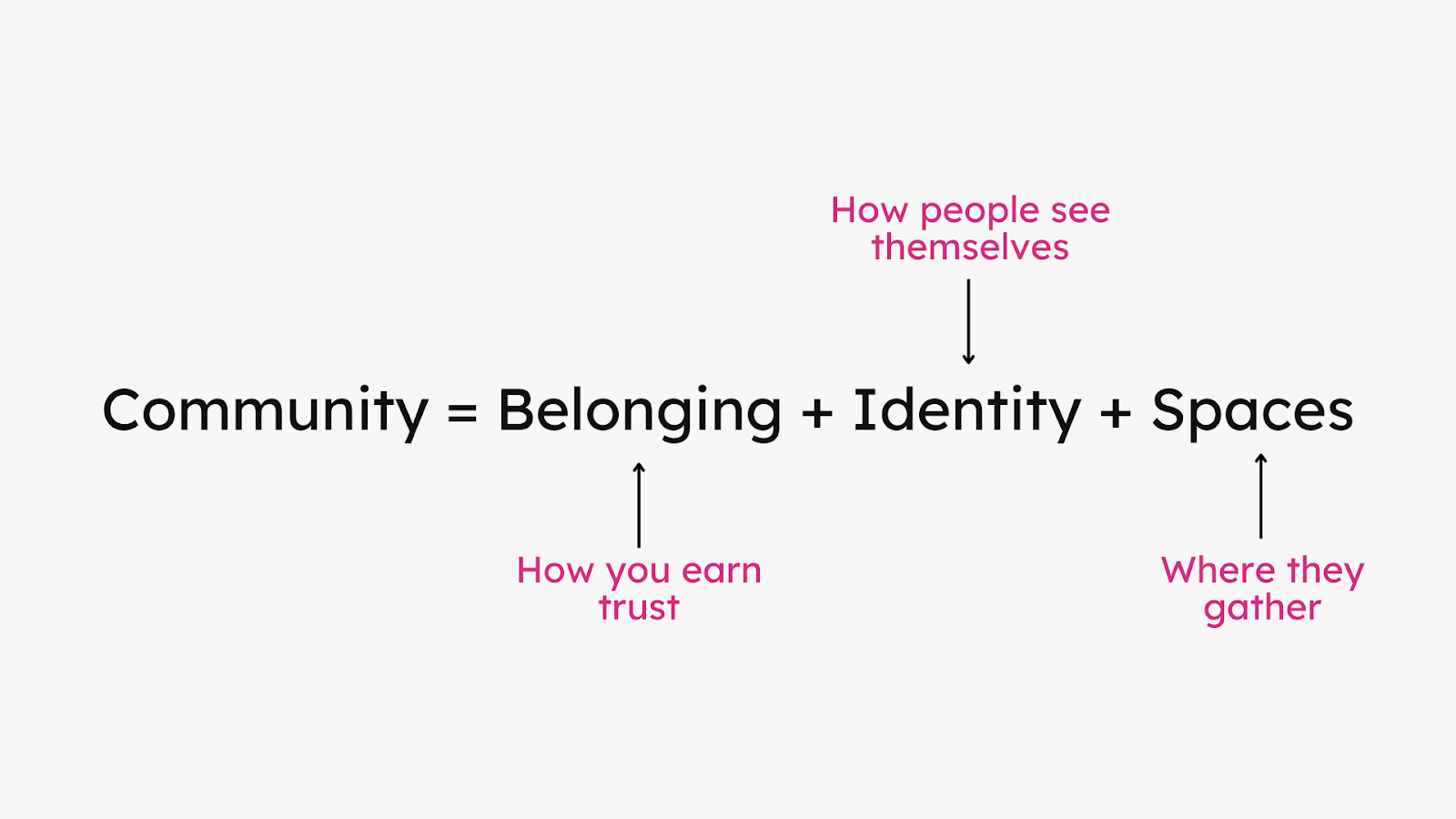
The brands experiencing sustainable engagement growth are creating spaces their community enjoys revisiting.
They respond consistently, remember familiar names, reference past conversations, develop shared language and inside jokes.
Over time, engagement becomes part of the culture you’ve built. It feels less transactional and more relational. And that’s where long-term growth lives.
FAQs
What are the four types of engagement?
The four core types of social media engagement are likes (or reactions), comments, shares, and saves. In 2026, brands also track DMs, Story replies, and repeat interactions as deeper engagement signals.
What are common engagement mistakes to avoid?
Common mistakes include chasing vanity metrics, posting without strategy, ignoring comments or DMs, copying trends without context, and prioritizing quantity over quality.
Why is social media engagement important?
Social media engagement signals trust and connection. It strengthens brand loyalty, increases visibility, and improves the likelihood of conversions over time.
What social media has the best engagement?
There isn’t one universal winner. Instagram and TikTok often report higher engagement rates overall, but the best platform for engagement depends on your audience and content style.
What are examples of engaging content?
Engaging content includes opinion-based posts, educational carousels, storytelling, behind-the-scenes content, polls, community spotlights, and conversation-starting statistics.
What drives social engagement?
Relevance, clarity, and emotional connection are the biggest drivers of engagement. People engage when content feels relatable, valuable, or personally meaningful.
Create spaces, not just posts
The best practices for social media engagement in 2026 revolve around clarity, collaboration, and connection.
When you define what engagement truly means for your brand, plan content that encourages participation, support your team with strong workflows, and actively listen to your community, you create something much more durable than a single high-performing post. You create trust, and trust is what fuels meaningful engagement now and in the years ahead.
Still paying per seat for your social media tool? With HeyOrca, you get unlimited users – so your whole team (and clients!!) can collaborate without the extra cost. Plan, approve, and schedule your next post now.
Every member of your team deserves a seat at the table. That's why every HeyOrca plan comes with unlimited users. Choose the social media scheduler that helps you create, collaborate, and build community – without worrying about extra fees. Start your free trial.
Build stronger social media communities. HeyOrca brings your whole team together – with unlimited users!! – to plan, approve, and schedule content in one place. See it come together in minutes.
Looking for a social media tool built for teams and agencies? Plan, approve, and schedule your next post in minutes with HeyOrca – no credit card required.
.png)
Close all those tabs
Use HeyOrca to manage your social media content, approvals, and community in one place.
*no card required


%20(2).png)


.png)
.png)