What you can learn from brands using community-led marketing

Learn how 3 brands use community-led marketing to build loyal communities through participation, advocacy, and belonging. Plus, how you can use these strategies for your own brand.
Social media managers have spent years chasing the algorithm.
More posts. More videos. More trends. More reach.
But the brands building lasting communities are focusing on something different: giving people a place where they belong.
That's the idea behind community-led marketing (CLM).
Instead of asking, "How do we get more people to see our content?" community-led brands are asking, "How do we get more people involved?"
Whether it's a global company like Canva, an iconic toy brand like LEGO®, or a local Canadian ice cream shop, the goal is the same: create experiences people want to be part of, not just content they scroll past.
Let's look at three brands putting community-led marketing into practice – and, more importantly, what you can learn from each one.
Canva
At first glance, Canva is a design platform.
But spend a little time following the brand, and you'll notice something interesting.
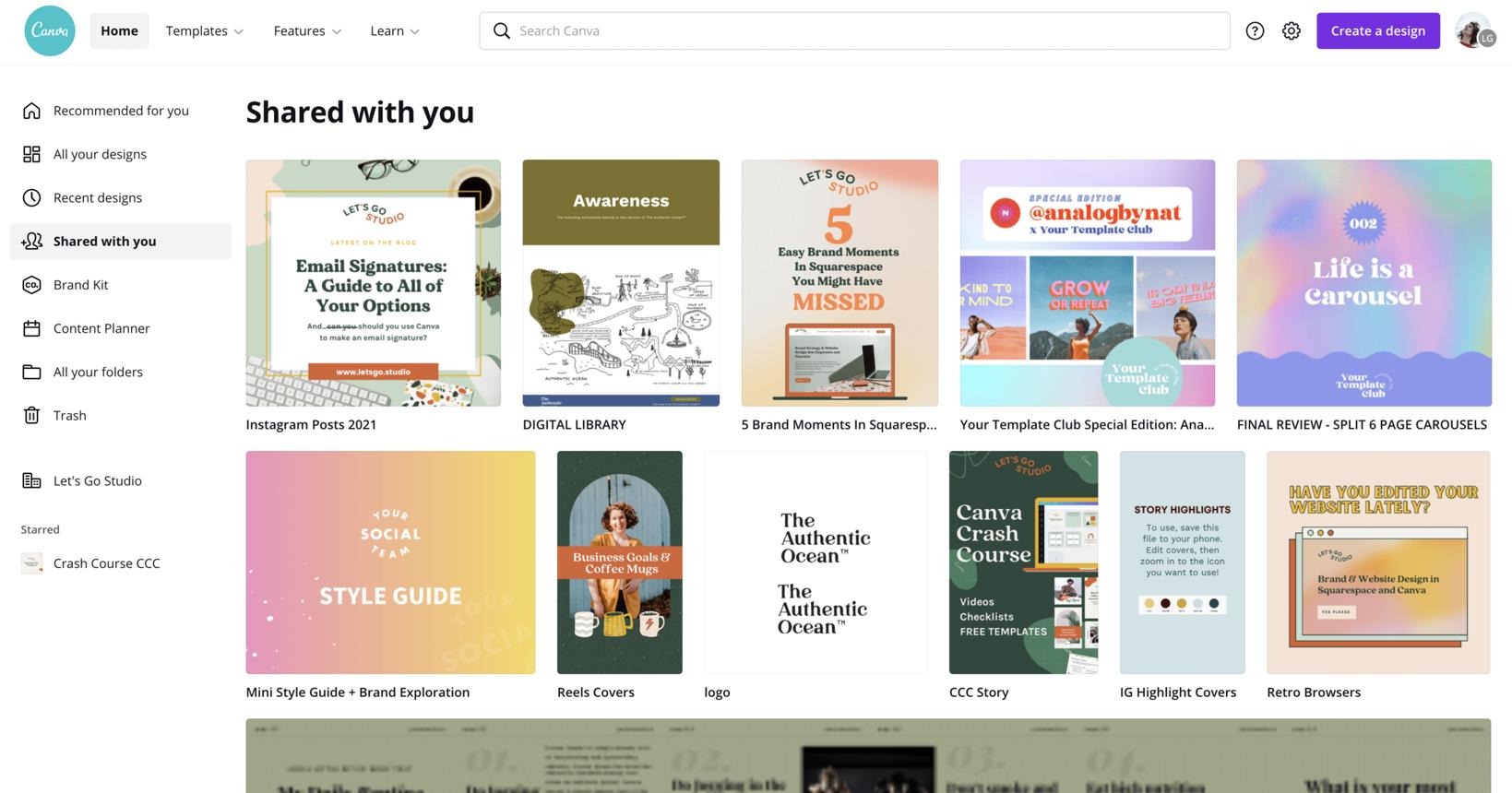
Instead of filling its channels with polished marketing campaigns, Canva regularly puts its community in the spotlight.
User-created designs appear across social media, newsletters, and inspiration galleries, giving everyday creators the same visibility as professional designers.
Let's break it down using the community-led marketing flywheel.
Invite
Canva creates countless opportunities for people to feel welcomed, recognized, and inspired.
Across social media, they regularly feature creations from their community instead of only showcasing work from their own design team.
Their newsletter includes a design inspiration section filled with work created by Canva users, giving creators visibility they might not otherwise receive.
Why it works: Recognition is one of the fastest ways to build belonging. When people see creators like themselves featured by a brand, they begin to picture themselves as part of that community too.
Participate
Once people feel welcomed, Canva gives them meaningful ways to contribute.
Users can:
- Remix templates
- Submit designs
- Join creative challenges
- Share feedback on new features
Canva Create brings this participation into the real world.
Attendees showcase their work, collaborate with fellow creators, and even influence future product features through feedback sessions.
When someone sees their idea reflected in Canva's roadmap (or even featured at the event) it stops feeling like "just another design tool." and starts feeling like their platform.
Why it works: Participation creates ownership. The more people contribute, the more invested they become in the community.
Amplify
When participation feels genuine, amplification happens naturally.
Creators proudly share their designs online.
Attendees post about their Canva Create experience.
People tag friends, recommend templates, and celebrate one another's work.
Suddenly, Canva isn't the one telling its story.
Its community is.
Every shared design reinforces the same message:
"People like me create here."
That's what keeps the flywheel spinning.
Why it works: People trust people more than brands. When community members share their own experiences, they're creating authentic social proof that inspires others to join in.
Steal this idea
This week, feature one piece of community-created content instead of publishing another branded graphic.
Whether it's a customer success story, a tagged Instagram post, or a creative way someone uses your product, make your community the hero.
LEGO®
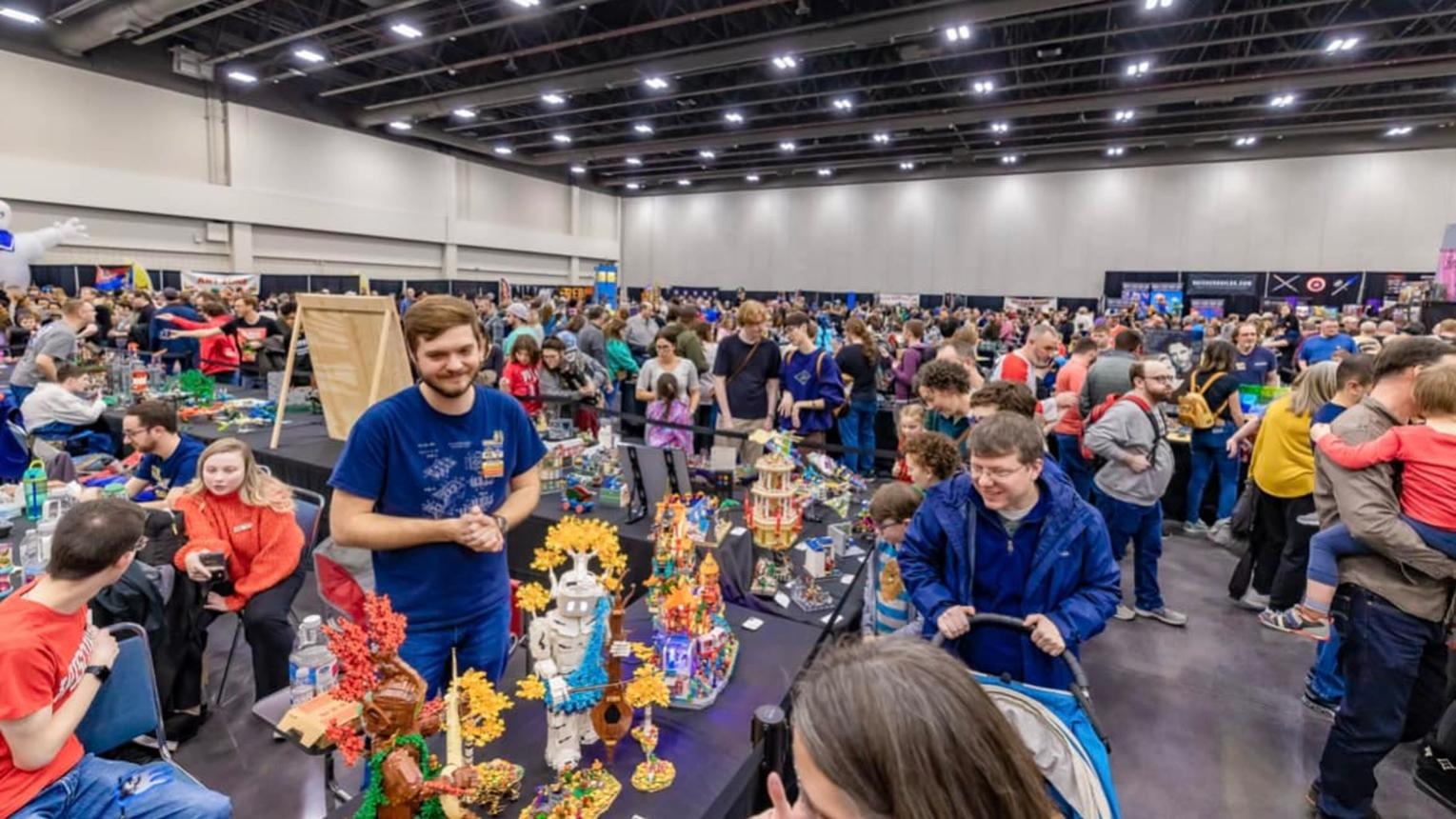
If you want proof that community-led marketing works at scale, look at LEGO®.
People don’t just buy LEGO®, they are builders, creators, fans, parents, kids, and adults who never stopped building.
LEGO® didn’t grow its community by pushing harder on marketing.
Instead, it grew by giving people a place to belong and by letting the community’s creativity lead the story.
Let’s break it down into the three stages of the CLM flywheel:
Invite
LEGO® has always understood something important: the product itself is an invitation to create.
But they took that idea even further through LEGO® Ideas.
Fans can submit their own set concepts for other community members to support.
And these aren't suggestions buried in a feedback form, they're actually real creations with the potential to become official LEGO® products.
The invitation is powerful:
"If you love LEGO®, you can help shape what's next."
Why it works: Great invitations make people feel like they're part of the future, not just the audience. By inviting fans to submit ideas, LEGO® transforms customers from consumers into potential creators.
Participate
Participation goes far beyond liking or commenting.
When a LEGO® Ideas submission earns enough community support, it's reviewed by LEGO®'s internal team.
Some are turned into official products sold around the world – with the original creator receiving credit and compensation.
That's co-creation in its purest form.
People stop feeling like customers and they become collaborators instead.
Why it works: When people help build something, they naturally become invested in its success.
Amplify
Once people have ownership, they don't need much encouragement to share.
Creators promote their submissions.
Fans rally behind their favourite builds.
Entire communities form around themes, collections, and creators.
LEGO® doesn't manufacture excitement.
Its community does.
Every shared creation reinforces the same idea:
"This brand is built by people like me."
Why it works: Shared ownership creates organic word-of-mouth. Every build, vote, and project shared by the community reinforces that LEGO® is a brand built with its fans, not just for them.
Steal this idea
Ask your community to help shape what's next.
For example:
- Vote on your next webinar topic.
- Choose your next product feature.
- Name your next campaign.
Submit ideas for future content.
People are far more likely to champion something they helped create.
Four All Ice Cream
Community-led marketing isn't reserved for global brands.
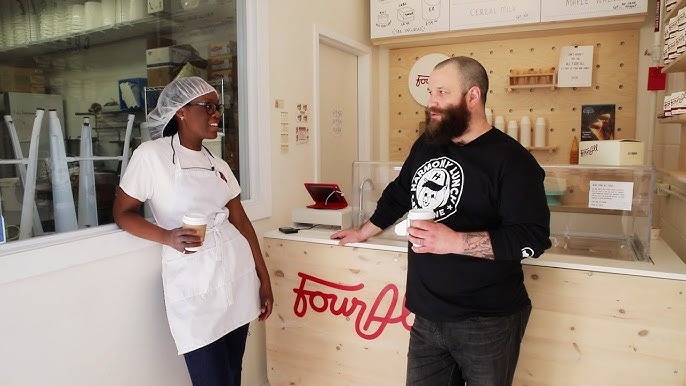
Four All Ice Cream, a Black female-founded Canadian ice cream company, proves that some of the strongest communities are built one local interaction at a time.
Rather than focusing only on promotions, Four All regularly invites customers into the business through events, workshops, conversations, and social media.
Let’s take a look at three stages of the flywheel:
Invite
Four All creates opportunities for customers to feel seen from the very first interaction.
Every Friday, the team invites people to come in and get a free scoop of ice cream if their name is called in its Free Scoop Friday videos.
The brand also hosts annual events like Ice Cream for Breakfast Day, where customers line up before the shop even opens to celebrate a tradition they've come to love.
These moments do more than promote a product – they give people something to look forward to and a reason to return year after year.
Why it works: Shared traditions create shared identity. When people look forward to the same events together, they begin to feel like they're part of something bigger than a transaction.
Participate
Four All doesn't stop at inviting people into the conversation, it actively involves them in shaping the brand.
Customers attend Behind the Scoop workshops to learn how the ice cream is made, sample flavours, and connect with the team behind the business.
On social media, the brand regularly asks for feedback on flavours and new ideas, then uses those responses to influence future offerings.
Seasonal menus often reflect the flavours customers request most, showing that community feedback doesn't disappear into a suggestion box – it leads to real decisions.
Instead of simply serving customers, Four All gives them opportunities to help shape what comes next.
Why it works: People become more invested when they can see their ideas reflected in the businesses they support.
Amplify
When customers feel like they're part of the story, they naturally share it.
Visitors post photos from workshops, celebrate winning Free Scoop Friday, and share their Ice Cream for Breakfast traditions with friends and family.
The result is a cycle where customers create experiences, share them with others, and inspire new people to join the community.
Why it works: Recognition encourages advocacy. When people feel appreciated, they're far more likely to tell others about their experience.
Steal this idea
Look at your next campaign and ask one simple question:
"Where can our community participate?"
Could people:
- Submit photos?
- Vote on something?
- Share stories?
- Help make a decision?
You don't need a huge budget.
Sometimes, one small opportunity to contribute creates more engagement than another promotional post ever could.
FAQs about community-led marketing
How can social media managers encourage community participation?
Start by creating content that invites conversation instead of simply broadcasting updates. Highlight community members, ask questions that influence real decisions, encourage user-generated content, and celebrate contributions publicly.
How do you get started with community-led marketing?
Start small by giving your community one meaningful way to participate. That could be asking for feedback, featuring customer content, inviting people to vote on future ideas, or recognizing community members publicly.
Can small businesses use community-led marketing?
Absolutely! You don't need a massive audience or budget to build a community. Small businesses can start by highlighting customer stories, asking for feedback, hosting local events, or creating opportunities for customers to contribute ideas and experiences.
Why is community-led marketing important?
Community-led marketing helps brands build stronger relationships, increase customer loyalty, and encourage word-of-mouth advocacy. When people feel like they're part of a community, they're more likely to engage, share their experiences, and stay connected over time.
What is community-led marketing?
Community-led marketing is a strategy that focuses on building relationships with your community by inviting people to participate, contribute, and shape the brand experience. Instead of marketing to customers, community-led brands create opportunities to build with them.
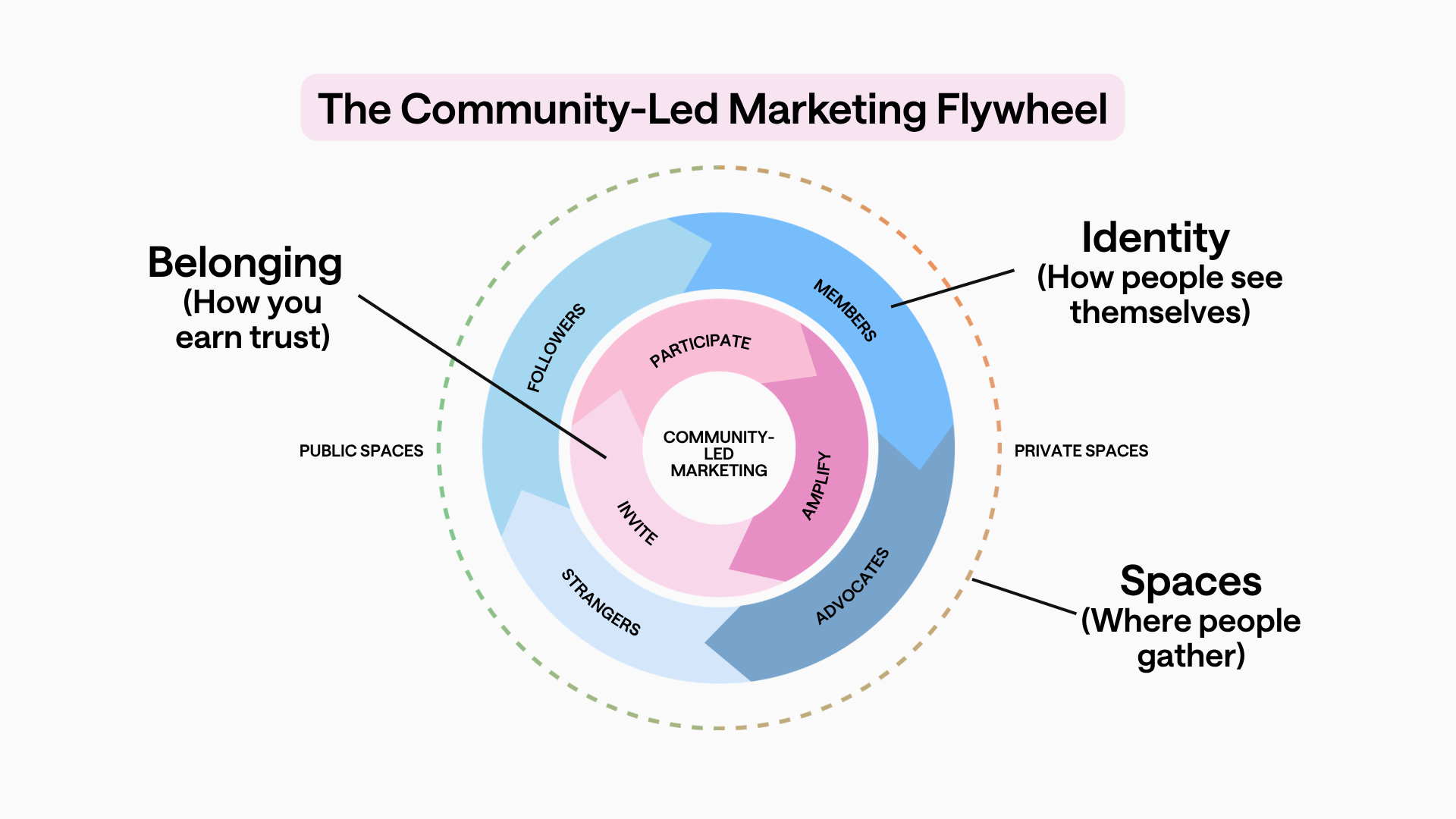
What are the three stages of the community-led marketing flywheel?
The Community-Led Marketing Flywheel has three stages:
- Invite: Make people feel welcomed and give them a reason to join.
- Participate: Create opportunities for your community to contribute.
- Amplify: Celebrate and share community contributions so others are inspired to participate.
How to start practicing community-led marketing this week
You don't need a conference, a global brand, or a million-dollar marketing budget.
Start with one small action:
- Feature a customer instead of your brand.
- Ask your community a question that actually influences a decision.
- Create something people can contribute to.
- Celebrate community members publicly.
- Show people how their feedback made an impact.
And remember, community-led marketing is a marathon, not a sprint.
Want more CLM? Download our Community-Led Marketing eBook to explore how belonging, participation, and advocacy can help your brand grow.
Still paying per seat for your social media tool? With HeyOrca, you get unlimited users – so your whole team (and clients!!) can collaborate without the extra cost. Plan, approve, and schedule your next post now.
Every member of your team deserves a seat at the table. That's why every HeyOrca plan comes with unlimited users. Choose the social media scheduler that helps you create, collaborate, and build community – without worrying about extra fees. Start your free trial.
Build stronger social media communities. HeyOrca brings your whole team together – with unlimited users!! – to plan, approve, and schedule content in one place. See it come together in minutes.
Looking for a social media tool built for teams and agencies? Plan, approve, and schedule your next post in minutes with HeyOrca – no credit card required.
.png)